zero carb foods list pdf
Zero Carb Foods List: A Comprehensive Guide (Updated 12/05/2025)
Navigating a zero-carb lifestyle requires a focused food selection, prioritizing meats, fish, and limited non-starchy vegetables for optimal ketogenic adaptation and sustained energy levels․
Embarking on a zero-carb diet signifies a profound shift in nutritional strategy, eliminating all carbohydrates from your intake—a more restrictive approach than even the popular ketogenic diet․ This dietary path centers around consuming exclusively animal products, alongside minimal plant-based options devoid of significant carbohydrates․ The core principle revolves around forcing the body into a state of complete ketosis, relying solely on fat for fuel, bypassing glucose derived from carbohydrates․
Unlike low-carb diets allowing some carbohydrate consumption, a zero-carb approach demands meticulous food selection․ Individuals often pursue this diet for enhanced metabolic health, weight management, or to address specific health conditions․ Understanding the foundational principles and permitted food choices is crucial for success, as it requires diligent planning and commitment to avoid accidental carb intake․ A comprehensive zero-carb food list serves as an essential guide․
What Defines a “Zero Carb” Food?
Defining a “zero carb” food isn’t always straightforward; it hinges on the concept of negligible carbohydrate content, typically considered anything below 1-2 grams of net carbs per serving․ Net carbs are calculated by subtracting fiber from total carbohydrates, as fiber isn’t digested and doesn’t impact blood sugar levels significantly․
True zero-carb foods are predominantly animal-sourced: meats, poultry, fish, eggs, and certain high-fat dairy products․ While some vegetables are permitted in very limited quantities, they must possess minimal carbohydrate impact․ This means avoiding starchy vegetables and focusing on leafy greens․ It’s vital to scrutinize nutrition labels and understand serving sizes to ensure adherence․ A detailed zero-carb food list PDF can be invaluable for accurate tracking and informed food choices․
Benefits of a Zero Carb Diet
A zero-carb diet, meticulously planned using a comprehensive zero-carb food list PDF, offers several potential benefits, primarily centered around metabolic shifts and improved insulin sensitivity․ By eliminating all carbohydrates, the body transitions into a state of ketosis, burning fat for fuel instead of glucose․ This can lead to significant weight loss, particularly in individuals struggling with insulin resistance or obesity․
Furthermore, many proponents report increased mental clarity, sustained energy levels (after an initial adaptation period), and reduced inflammation․ A zero-carb approach may also positively impact certain health conditions, though medical supervision is crucial․ However, potential drawbacks like electrolyte imbalances and nutrient deficiencies necessitate careful planning and supplementation․

Meat & Poultry – The Foundation
Meat and poultry form the cornerstone of a zero-carb diet, providing essential protein and fats for energy and satiety, as detailed in a zero-carb PDF․
Beef: Cuts and Considerations
Beef reigns supreme within a zero-carb framework, offering a rich source of protein and crucial fats․ When consulting a zero-carb foods list PDF, prioritize fatty cuts like ribeye, New York strip, and brisket, as these maximize satiety and energy․
Leaner cuts, such as sirloin or round steak, are permissible but benefit from added fat during cooking – consider tallow or suet․ Ground beef is versatile, but check for added fillers, ensuring a 100% beef product․ Grass-fed beef is often lauded for its superior nutrient profile, including higher levels of omega-3 fatty acids․
Remember, the goal is complete fat adaptation, so don’t shy away from marbling and external fat․ Properly prepared beef, focusing on adequate fat intake, will sustain you effectively on a zero-carb regimen, as outlined in comprehensive guides․
Pork: Options and Fat Content
Pork presents excellent zero-carb options, rivaling beef in versatility and nutritional value․ A detailed zero-carb foods list PDF will highlight cuts like pork belly, shoulder (Boston butt), and pork chops with skin-on for optimal fat intake․
Bacon, a beloved staple, is permissible, but scrutinize ingredient lists for added sugars or maple flavoring․ Ham can be included, provided it’s uncured and sugar-free․ Leaner cuts, such as tenderloin, require supplementing with external fats like lard or tallow to maintain energy levels and satiety․
Consider the fat content; pork shoulder and belly are naturally rich, while leaner options necessitate added fat․ Prioritize quality sourcing, opting for pasture-raised pork whenever possible for enhanced flavor and nutrient density, aligning with zero-carb principles․
Poultry: Chicken, Turkey, and Duck
Poultry, including chicken, turkey, and duck, forms a cornerstone of a zero-carb diet, offering lean protein sources․ A comprehensive zero-carb foods list PDF should emphasize skin-on consumption for essential fat intake, crucial for energy and satiety․
Dark meat generally contains more fat than white meat, making it a preferable choice․ Whole roasted chicken or turkey, with the skin intact, provides a balanced nutritional profile․ Ground poultry is acceptable, but verify it’s 100% meat without fillers or added carbohydrates․
Duck, particularly the skin, is exceptionally rich in fat, offering a flavorful and satisfying option․ Avoid pre-marinated or seasoned poultry, as these often contain hidden sugars or starches․ Prioritize organic, pasture-raised options for superior quality and nutrient density․
Organ Meats: Nutrient Powerhouses
A zero-carb foods list PDF must highlight organ meats – liver, kidney, heart, and brain – as incredibly nutrient-dense options․ These are not merely protein sources; they’re packed with vitamins, minerals, and essential fats often lacking in modern diets․
Liver is exceptionally rich in Vitamin A, B vitamins, and iron․ Kidney provides selenium and Vitamin B12․ Heart is a good source of CoQ10, vital for energy production․ Brain offers unique fatty acids beneficial for neurological health․
While the taste can be challenging for some, incorporating organ meats regularly maximizes nutritional intake․ Consider starting with smaller portions or blending them into ground meat dishes․ Prioritize sourcing from grass-fed or pasture-raised animals for optimal nutrient profiles․
Fish & Seafood – Essential Fatty Acids
Seafood delivers crucial omega-3 fatty acids, vital for health on a zero-carb diet; prioritize fatty fish like salmon, mackerel, and sardines for optimal benefits․
Fatty Fish: Salmon, Mackerel, Sardines
Salmon, mackerel, and sardines stand out as exceptional choices within a zero-carb framework, boasting high concentrations of beneficial omega-3 fatty acids – EPA and DHA․ These fats are paramount for brain health, reducing inflammation, and supporting overall well-being, all crucial when carbohydrate intake is severely restricted․
Salmon, available in wild-caught and farmed varieties, offers a rich, flavorful experience․ Mackerel, a more affordable option, provides a similar nutritional punch․ Sardines, often overlooked, are incredibly nutrient-dense, including calcium from their edible bones․
When selecting these fish, prioritize quality; wild-caught options generally have a more favorable omega-3 to omega-6 ratio․ Incorporating these fatty fish several times a week ensures adequate intake of essential fats, supporting energy levels and mitigating potential deficiencies on a zero-carb regimen․
White Fish: Cod, Halibut, Tilapia
Cod, halibut, and tilapia represent excellent, lean protein sources perfectly aligned with a zero-carb dietary approach․ While lower in fat compared to fatty fish, they provide substantial amounts of high-quality protein essential for maintaining muscle mass and supporting metabolic function during carbohydrate restriction․
Cod is known for its mild flavor and flaky texture, making it versatile for various cooking methods․ Halibut, a firmer fish, offers a slightly sweeter taste․ Tilapia, often the most affordable option, is readily available and cooks quickly․
These white fish are incredibly adaptable to different seasonings and preparations, ensuring dietary variety; Prioritize sourcing sustainably caught fish to support responsible fishing practices and ensure long-term availability․
Shellfish: Shrimp, Crab, Lobster
Shellfish – encompassing shrimp, crab, and lobster – are fantastic additions to a zero-carb diet, offering both flavor and nutritional benefits․ These options are naturally very low in carbohydrates and provide a significant source of protein, crucial for satiety and muscle preservation․ They also contribute essential minerals like zinc, selenium, and iodine, supporting overall health․
Shrimp, quick to cook and incredibly versatile, can be grilled, sautéed, or added to salads․ Crab, with its delicate sweetness, is delicious on its own or in seafood dishes․ Lobster, often considered a delicacy, provides a luxurious zero-carb treat․
When selecting shellfish, prioritize sustainably sourced options to protect marine ecosystems․ Enjoy these delicacies as part of a varied and nutrient-dense zero-carb plan․
Vegetables – Limited Choices
Vegetable inclusion on a strict zero-carb diet is minimal, focusing on leafy greens and very small portions of select cruciferous varieties for micronutrients․
Leafy Greens: Spinach, Kale, Lettuce
Leafy green vegetables represent the most permissible vegetable category within a zero-carb dietary framework, offering vital micronutrients with negligible carbohydrate impact․ Spinach, kale, and various lettuce types – romaine, butter, and red leaf – provide essential vitamins like A, C, and K, alongside crucial minerals such as calcium and iron․ These greens contribute fiber, aiding in digestive health, and antioxidants, combating oxidative stress․
However, even with these benefits, mindful consumption is key․ While technically very low-carb, larger quantities can accumulate carbohydrates․ Prioritize darker, more nutrient-dense options like spinach and kale over lighter lettuces․ Incorporate them strategically into meals as a side dish or base for salads, ensuring portion control to maintain strict carbohydrate restriction․ Remember, the goal is to maximize nutrient intake while adhering to the zero-carb principle․
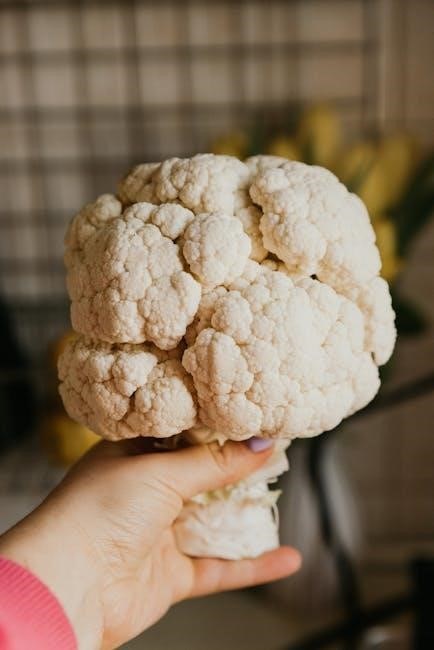
Cruciferous Vegetables: Broccoli, Cauliflower (Small Portions)
Cruciferous vegetables, including broccoli and cauliflower, present a nuanced position on a strict zero-carb diet; they offer substantial nutritional value but require careful portion control due to their carbohydrate content․ These vegetables are rich in fiber, vitamins C and K, and potent compounds like sulforaphane, known for their anti-cancer properties․ However, even in modest amounts, they contribute more carbohydrates than leafy greens․
Therefore, inclusion should be limited to small portions, strategically incorporated as an occasional addition rather than a dietary staple․ Steaming or roasting are preferable cooking methods to minimize carbohydrate breakdown․ Monitoring individual tolerance is crucial; some individuals may need to eliminate them entirely to maintain ketosis․ Prioritize maximizing nutrient density while staying within the zero-carb parameters․
Other Low-Carb Vegetables: Cucumber, Zucchini (Limited)
While not as nutritionally dense as leafy greens or cruciferous options, cucumber and zucchini can offer a refreshing textural element to a zero-carb approach, but strict limitation is paramount․ These vegetables contain a small amount of carbohydrates, making precise portion control essential for maintaining dietary adherence․ Cucumber, primarily water, provides hydration and a crisp bite, while zucchini offers versatility in culinary applications․

However, their inclusion should be viewed as a minor addition, not a significant source of nutrients․ Focus on utilizing them sparingly to add variety without compromising ketosis․ Raw preparations are generally preferred to avoid any potential carbohydrate increase from cooking․ Careful tracking of intake is vital to ensure they remain within acceptable limits․
Fats & Oils – Fueling the Body
Prioritize animal fats like tallow and lard, alongside avocado and coconut oils, as primary fuel sources on a zero-carb diet for sustained energy․
Animal Fats: Tallow, Lard
Tallow, rendered beef fat, and lard, from pigs, represent foundational fats for a true zero-carb approach, offering excellent culinary versatility and nutritional benefits․ These traditional fats were staples for generations, providing dense energy and essential fat-soluble vitamins like A, D, E, and K․ They are remarkably stable at high cooking temperatures, unlike many processed oils, making them ideal for searing, frying, and roasting․
Choosing tallow and lard from grass-fed and pasture-raised animals further enhances their nutritional profile, increasing the concentration of beneficial fatty acids like conjugated linoleic acid (CLA)․ These fats contribute to satiety, supporting adherence to the diet, and provide a readily available fuel source for the body when carbohydrate intake is eliminated․ Consider sourcing these fats from local farms or reputable suppliers to ensure quality and ethical sourcing practices․
Avocado Oil
While not a traditional zero-carb fat source like tallow or lard, high-quality avocado oil can be a valuable addition, offering a milder flavor profile and unique health benefits․ Derived from the fruit of the avocado, this oil is rich in monounsaturated fats, particularly oleic acid, known for its heart-healthy properties․ It also contains antioxidants and vitamin E, contributing to overall well-being․
However, it’s crucial to select cold-pressed, extra virgin avocado oil to ensure minimal processing and retain its nutritional integrity․ Be mindful of its smoke point; while relatively high, it’s best suited for low to medium-heat cooking methods like sautéing or salad dressings․ Avocado oil provides a versatile option for those seeking variety in their fat intake while maintaining a strict zero-carb regimen, but prioritize animal fats as the primary source․
Coconut Oil
Coconut oil stands as a readily accessible and versatile fat source within a zero-carb framework, primarily due to its unique medium-chain triglyceride (MCT) composition․ These MCTs are metabolized differently than long-chain triglycerides, offering a quick source of energy and potentially supporting ketone production․ Opt for unrefined, virgin coconut oil to avoid processing and retain its natural flavor and beneficial compounds․
Its distinct coconut aroma and taste can enhance certain dishes, but it’s also suitable for neutral applications․ Coconut oil exhibits a moderate smoke point, making it appropriate for medium-heat cooking․ While a valuable addition, remember that moderation is key, and it shouldn’t entirely replace animal-derived fats, which provide a broader spectrum of nutrients essential for optimal health on a zero-carb diet․
Dairy & Eggs – Potential Inclusion
Eggs are a zero-carb staple, while certain hard cheeses, consumed in minimal quantities, may be permissible depending on individual tolerance and carb limits․
Eggs: A Zero Carb Staple
Eggs stand out as a truly exceptional food within a zero-carb dietary framework, offering complete protein and essential fats without contributing any carbohydrates whatsoever․ This makes them incredibly versatile and foundational for building meals․ Whether scrambled, fried, boiled, or incorporated into various recipes, eggs provide sustained energy and support overall health․
They are packed with vital nutrients like choline, crucial for brain function, and lutein and zeaxanthin, beneficial for eye health․ Furthermore, eggs are relatively inexpensive and readily available, making them a practical choice for long-term adherence to a zero-carb lifestyle․ Don’t discard the yolk – it’s where most of the nutrients reside!
Consider eggs a cornerstone of your zero-carb approach, enjoying them liberally to satisfy hunger and fuel your body effectively․ They are a nutritional powerhouse, perfectly aligned with the principles of carbohydrate restriction․
Hard Cheeses: Cheddar, Parmesan (Minimal Carbs)
While not entirely devoid of carbohydrates, hard cheeses like cheddar and parmesan can generally be included in a zero-carb diet in moderation due to their exceptionally low carb counts․ These cheeses offer a satisfying source of fat and protein, contributing to feelings of fullness and supporting ketogenic adaptation․ However, portion control is key; excessive consumption could potentially impact carb intake․
Always check the nutritional label, as carb content can vary slightly between brands and varieties․ Aged cheeses typically contain fewer carbs than younger ones․ Enjoy them as a flavorful addition to meals, grated over vegetables, or consumed as a snack․
Remember, the goal is zero carbs, so mindful inclusion is crucial․ Hard cheeses provide a welcome variety and taste, but should be considered a supplemental element, not a dietary mainstay․

Beverages – Staying Hydrated
Prioritize pure water for optimal hydration on a zero-carb diet; unsweetened tea and coffee are acceptable additions, providing flavor without carbohydrate impact․
Water: The Primary Choice
Water is absolutely fundamental when embracing a zero-carb dietary approach․ It’s not merely about quenching thirst; it’s about supporting the body’s metabolic shift and facilitating the efficient elimination of waste products․ A zero-carb diet naturally encourages increased water loss due to glycogen depletion, so consistent hydration is paramount to avoid potential electrolyte imbalances and fatigue․
Aim for a minimum of half your body weight in ounces of water daily, and potentially more, especially if physically active․ Consider adding a pinch of high-quality sea salt to your water to help replenish lost electrolytes․ Staying adequately hydrated will significantly contribute to energy levels, cognitive function, and overall well-being throughout your zero-carb journey; It’s the simplest, yet most crucial, element of success․
Unsweetened Tea & Coffee
Beyond water, unsweetened tea and coffee can be valuable additions to a zero-carb regimen, offering both hydration and potential metabolic benefits․ Both beverages are naturally carb-free when consumed without added sugars, milk, or cream․ Coffee’s caffeine content can provide a boost in energy and focus, which can be particularly helpful during the initial adaptation phase of a zero-carb diet․
Similarly, tea, especially green tea, offers antioxidants and a milder energy lift․ However, moderation is key, as excessive caffeine intake can disrupt sleep patterns․ Ensure you are drinking these beverages completely unsweetened – even artificial sweeteners should be avoided to maintain strict zero-carb compliance․ They can be a satisfying and supportive part of your daily routine․
Foods to Absolutely Avoid
Strictly eliminate grains, sugars, most fruits, and legumes from your diet; these foods contain carbohydrates that will hinder zero-carb metabolic adaptation․
Grains: Wheat, Rice, Corn
Grains are unequivocally off-limits on a zero-carb diet due to their substantial carbohydrate content․ Wheat, in all its forms – bread, pasta, cereals – delivers a significant carbohydrate load, immediately disrupting ketosis․ Similarly, rice, whether white or brown, is composed primarily of starch, a complex carbohydrate rapidly broken down into glucose․
Corn, often perceived as a vegetable, is botanically a grain and possesses a high glycemic index, causing substantial blood sugar spikes․ Avoiding all grains – including oats, barley, rye, and spelt – is crucial for maintaining a true zero-carb state․ Even seemingly innocuous grain-based products, like sauces thickened with flour, must be scrutinized and avoided․

The complete elimination of grains ensures the body remains reliant on fat for fuel, fostering the metabolic benefits of a zero-carb lifestyle․
Sugars: All Forms
The cornerstone of a zero-carb approach is the absolute exclusion of all sugars, regardless of their source or perceived “naturalness․” This encompasses refined sugars like white sugar, brown sugar, and high-fructose corn syrup, commonly found in processed foods and beverages․ However, the restriction extends far beyond these obvious culprits․
Natural sugars, such as honey, maple syrup, agave nectar, and even fruit juice concentrates, are equally detrimental, triggering insulin responses that impede fat adaptation․ Hidden sugars lurk in unexpected places – sauces, dressings, and seemingly sugar-free products often contain added sweeteners․
Careful label reading is paramount; avoid ingredients ending in “-ose” (glucose, fructose, sucrose) and be wary of sugar alcohols․ Complete sugar abstinence is non-negotiable for achieving and sustaining a true zero-carb metabolic state․
Fruits: Most Varieties
Generally, fruits are strictly prohibited on a zero-carb diet due to their inherent sugar content, primarily fructose, which significantly impacts carbohydrate intake․ While some advocate for minuscule portions of berries, a truly zero-carb approach necessitates complete avoidance․ Even seemingly low-sugar fruits like lemons and limes contain enough carbohydrates to disrupt ketosis․
The natural sugars in fruit trigger insulin responses, hindering fat burning and metabolic flexibility․ This restriction extends to dried fruits, which are incredibly concentrated in sugars․ Fruit juices are equally unacceptable, offering only readily absorbed sugars without the fiber that slightly mitigates their impact․
Prioritizing metabolic health demands unwavering commitment to eliminating all fruits from the diet, focusing instead on nutrient-dense, zero-carb alternatives․
Legumes: Beans, Lentils
Legumes, encompassing beans, lentils, and peas, are categorically excluded from a zero-carb dietary approach due to their substantial carbohydrate content․ These plant-based proteins are rich in resistant starch and complex carbohydrates, making them unsuitable for achieving and maintaining ketosis․ Even small servings can significantly elevate blood sugar and insulin levels, derailing metabolic goals․
While legumes offer nutritional benefits in other dietary contexts, their carbohydrate load disqualifies them for strict zero-carb adherence․ This includes all varieties – kidney beans, black beans, chickpeas, and lentils․ The fiber content, while beneficial, doesn’t offset the overall carbohydrate impact․
Focusing on animal proteins and limited non-starchy vegetables provides adequate nutrition without compromising the principles of a zero-carb lifestyle․