
wedding planner guides
Wedding Planner Guides: A Comprehensive Checklist
Planning a wedding requires meticulous organization, and a detailed checklist is essential for a smooth journey!
These guides offer invaluable support, ensuring no crucial detail is overlooked during this exciting time.
From initial budgeting to final confirmations, expert advice will help navigate every step effectively.
Initial Planning (12-18 Months Out)
Embarking on wedding planning this far in advance allows for thoughtful decision-making and securing preferred vendors.
Begin by discussing your overall wedding vision – style, theme, and desired atmosphere – with your partner.
Simultaneously, establish a realistic budget, as this will influence all subsequent choices.
Creating a preliminary guest list is crucial for venue capacity estimations and overall cost projections.
Next, focus on venue selection and setting a tentative date; popular venues book quickly!
Research and begin assembling your wedding team, starting with a wedding planner if desired, followed by a photographer.
Consider initial consultations to assess compatibility and service offerings.
Don’t forget to gather mailing addresses for your guests, as this will be needed later for save-the-dates and invitations!
Defining Your Vision & Budget
Establishing a clear vision is paramount; discuss your dream wedding aesthetic – rustic, modern, classic, or bohemian – with your partner.
Consider the overall mood and experience you want to create for yourselves and your guests.
Pinterest boards and wedding magazines can be excellent sources of inspiration, helping to refine your preferences.
Simultaneously, create a detailed wedding budget, allocating funds to each category: venue, catering, photography, attire, and more.
Prioritize spending based on what matters most to you both.
Remember to factor in unexpected expenses and potential overruns. A spreadsheet is your friend!
Understanding your financial boundaries will guide all future decisions, ensuring a stress-free planning process.
Guest List Creation & Preliminary Count
Crafting your guest list is a significant step, impacting both budget and venue selection; Begin by creating separate lists – immediate family, close friends, and extended network.
Discuss with your families regarding their desired invitees, establishing clear boundaries to manage the overall headcount.
Aim for a preliminary count early on, understanding that it will likely evolve. Categorize guests (A-list, B-list) to prioritize invitations if necessary.
Gather mailing addresses diligently, as accurate information is crucial for save-the-dates and invitations.
This initial count informs venue capacity and catering estimates, providing a realistic foundation for planning.
Venue Selection & Date Setting
Choosing your wedding venue profoundly influences the event’s style and logistics. Consider guest capacity, desired ambiance (rustic, modern, classic), and accessibility.
Explore various options – hotels, gardens, barns, or unique spaces – aligning with your vision and budget.
Setting the date requires flexibility, considering venue availability and personal preferences. Weekdays or off-season dates often offer cost savings.
Once the venue is secured, confirm the date with key family members and the wedding party.
Remember to factor in potential conflicts with major holidays or local events. A confirmed date provides a solid timeline for subsequent planning stages.
Assembling Your Wedding Team (Planner, Photographer, etc.)

Building a skilled wedding team is crucial for a stress-free planning process. Start with a wedding planner, especially if you’re juggling busy schedules or desire expert guidance.
Next, prioritize a photographer and videographer whose style resonates with your vision – their work preserves lasting memories.
Other essential professionals include a caterer, DJ or band, florist, and officiant. Thoroughly research potential vendors, review portfolios, and read client testimonials.
Schedule consultations to discuss your needs and ensure a good rapport. Clear communication and well-defined contracts are vital for a harmonious collaboration throughout the planning journey.
Vendor Booking & Details (9-12 Months Out)
Nine to twelve months before your wedding is the prime time to solidify vendor bookings. Finalize contracts with your chosen caterer, securing menu details and service arrangements. Confirm your entertainment – DJ or band – and discuss playlists and logistical requirements.
The florist needs attention now; finalize floral designs, including bouquets, centerpieces, and ceremony décor. Don’t forget to confirm transportation arrangements for yourselves and guests.
Review all contracts meticulously, paying close attention to cancellation policies and payment schedules. Detailed planning at this stage prevents last-minute surprises and ensures a seamless wedding day experience.
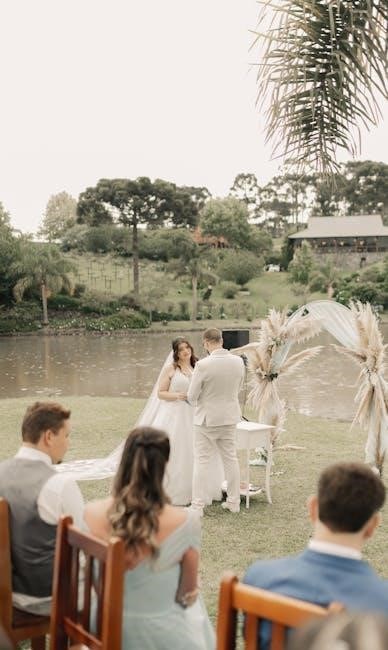
Securing Key Vendors: Caterer, DJ/Band, Florist
Prioritizing these vendors is crucial; they significantly impact the guest experience. When selecting a caterer, schedule tastings and discuss menu options, dietary restrictions, and service style. For your DJ or band, review their repertoire, request song lists, and confirm equipment needs.

The florist requires detailed discussions about your vision – color palettes, flower types, and arrangement styles. Secure contracts with all three, outlining services, costs, and cancellation policies.
Confirm insurance and licensing. Thorough vetting and clear communication are essential for a stress-free planning process, ensuring these key elements align perfectly with your wedding theme.
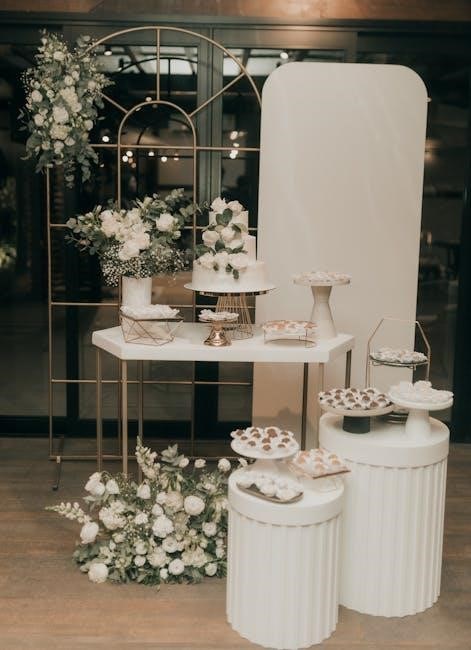
Wedding Dress Shopping & Ordering
Begin dress shopping 9-12 months in advance, allowing ample time for selection and alterations. Research bridal boutiques and designers, scheduling appointments well ahead of time. Bring inspiration photos and trusted companions for support. Consider your body type and wedding venue when choosing styles.
Be prepared for potential alterations, which can take several months. Once you’ve found “the one,” confirm ordering timelines and payment schedules. Don’t forget accessories – veil, shoes, and jewelry! A well-planned dress shopping experience ensures you feel confident and radiant on your special day, avoiding last-minute stress.
Save-the-Dates: Design, Ordering & Mailing
Send save-the-dates 8-12 months before the wedding, especially for destination events or peak season dates. Design options range from formal to casual, reflecting your wedding style. Include essential information: your names, the wedding date, and the city/state. A wedding website URL is a helpful addition.
Order save-the-dates with sufficient lead time for printing and addressing. Proofread carefully before finalizing the order! Mailing typically occurs 9-10 months out, giving guests ample notice to plan. Consider postcard-style save-the-dates for cost-effectiveness and ease of mailing. This early notification is crucial for guest attendance.
Accommodation Blocks for Guests
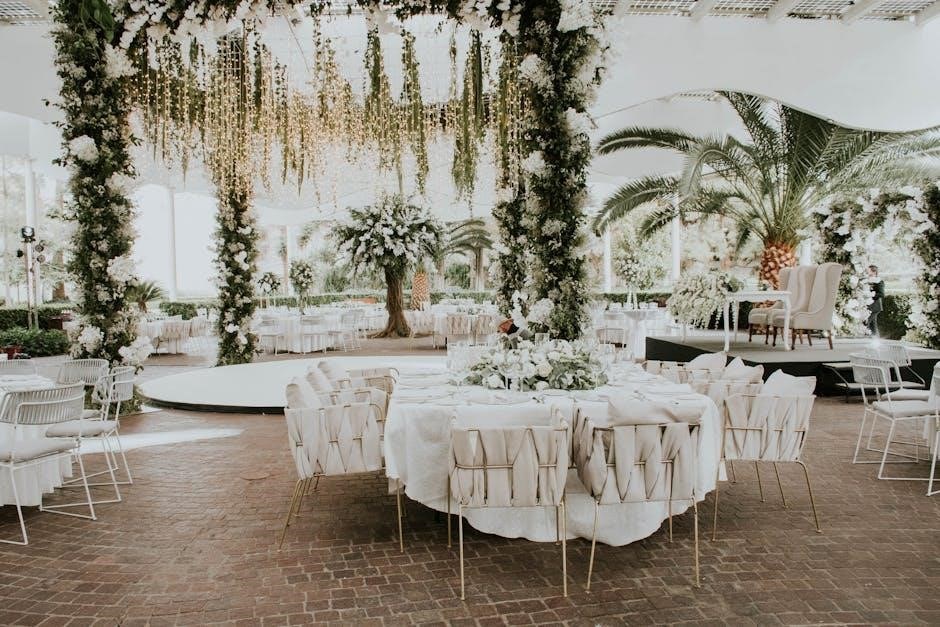
Securing accommodation blocks is vital, particularly for destination weddings or events with many out-of-town guests. Negotiate rates with local hotels, aiming for discounted group pricing. Consider hotels at various price points to cater to different budgets. Reserve a sufficient number of rooms, anticipating guest needs, but be mindful of attrition clauses.
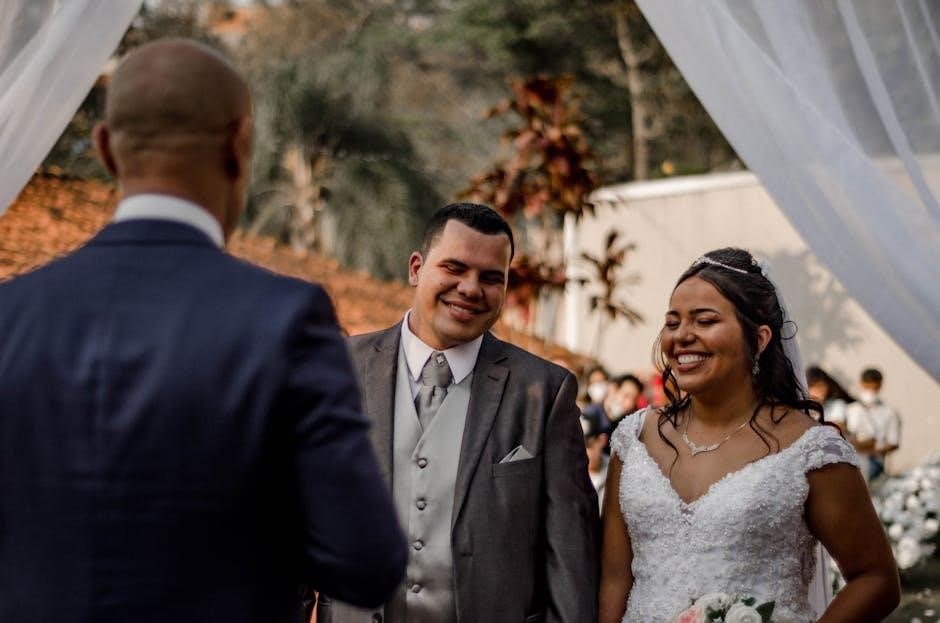
Communicate hotel information clearly on your wedding website and save-the-dates. Provide booking instructions and cut-off dates for reservations. Explore options beyond traditional hotels, like vacation rentals or Airbnb, for larger groups. Confirm the block details regularly with the hotel to ensure availability and accuracy. This thoughtful planning enhances guest comfort.
Mid-Planning Phase (6-9 Months Out)
The 6-9 month mark is crucial for solidifying key details. Schedule menu tastings with your caterer, finalizing the culinary experience. Simultaneously, launch your wedding website, providing guests with essential information like travel details and registry links. Keep it updated regularly! Select attire for the wedding party – bridesmaids’ dresses and groomsmen’s suits – ensuring a cohesive look.
Begin planning the ceremony, choosing readings, music, and vows. Confirm vendor bookings and review contracts. This phase demands consistent communication and organization. Don’t hesitate to delegate tasks to trusted friends or family members. Address any outstanding logistical concerns, ensuring a smooth path towards the final stages of planning.
Menu Tasting & Finalization
The menu tasting is a delightful, yet vital step! This is your opportunity to sample potential dishes and refine your wedding breakfast or reception meal. Work closely with your caterer, providing feedback on flavors, presentation, and portion sizes. Consider dietary restrictions and allergies of your guests, offering suitable alternatives. Finalize the menu, including appetizers, main courses, desserts, and beverages.
Don’t forget about the cake tasting! Select flavors and designs that reflect your style. Confirm all food and beverage quantities with the caterer to avoid shortages or excessive waste. Review the final invoice and payment schedule. A well-planned menu contributes significantly to a memorable wedding experience, so savor this process!
Wedding Website Creation & Information Updates
A wedding website is a central hub for all event details! Choose a user-friendly platform offering customizable templates. Include essential information such as the date, time, venue location with maps, accommodation options, and registry details. Share your love story, photos, and wedding party introductions. Regularly update the website with any changes to the schedule or important announcements.
Utilize the website for RSVPs, streamlining the guest list management process. Create a FAQ section to address common questions. Ensure the website is mobile-friendly for easy access on all devices. A well-maintained website keeps guests informed and excited about your special day, reducing unnecessary inquiries!
Choosing Wedding Party Attire (Bridesmaids, Groomsmen)
Selecting attire for your wedding party is a significant decision! Consider your wedding’s style, color palette, and venue when making choices; Bridesmaids’ dresses should complement each other, offering a cohesive look while allowing for individual preferences in style. Groomsmen attire typically involves suits or tuxedos, coordinated with the overall aesthetic.
Factor in comfort and practicality, especially for outdoor weddings. Establish a budget and communicate it clearly to your wedding party. Allow ample time for fittings and alterations to ensure a perfect fit. Coordinate accessories like shoes and ties to complete the look. A well-dressed wedding party enhances the overall visual harmony of your celebration!
Planning Ceremony Details & Readings
Crafting a meaningful ceremony is central to your wedding day! Begin by outlining the ceremony’s structure – processional, readings, vows, exchange of rings, and recessional. Select readings that resonate with your relationship and values; poems, excerpts from literature, or religious texts are popular choices. Personalize your vows to express your unique love story and commitment.
Consider incorporating cultural or family traditions to add a personal touch. Coordinate with your officiant to ensure a smooth and heartfelt ceremony. Plan the musical selections to enhance the atmosphere. Rehearse the ceremony with the wedding party to ensure everyone knows their roles. A well-planned ceremony creates a lasting memory!
Finalizing Details (3-6 Months Out)
This phase is about solidifying arrangements and tying up loose ends! Send out wedding invitations, allowing guests ample time to RSVP. Confirm all vendor bookings – caterer, photographer, DJ, florist – reviewing contracts and payment schedules. Arrange transportation for guests and the wedding party, considering logistics and timing. Finalize the menu with your caterer, including dietary restrictions and preferences.
Plan the seating chart, considering guest dynamics and relationships. Confirm final guest counts with all vendors. Obtain necessary permits or licenses for the venue. Create a detailed wedding day timeline and share it with the wedding party and vendors. Prepare welcome bags for out-of-town guests.
Invitation Design, Ordering & Addressing
Your wedding invitations set the tone for your special day! Begin by choosing a design that reflects your wedding style and theme. Consider wording carefully, including all essential details – date, time, venue, and RSVP information. Order invitations well in advance, allowing time for printing, addressing, and mailing. Proofread meticulously to avoid errors before finalizing the order.
Once received, address invitations with proper etiquette, ensuring legibility and accuracy. Consider calligraphy for a more elegant touch. Assemble invitations with any enclosures, such as RSVP cards and return envelopes. Mail invitations approximately 6-8 weeks before the wedding date, providing guests sufficient notice.
Transportation Arrangements for Guests & Wedding Party
Seamless transportation is key to guest comfort and a stress-free wedding day! Assess your venue’s accessibility and parking situation. Consider shuttle services from hotels to the ceremony and reception, especially if parking is limited. Arrange transportation for the wedding party – limousines, stylish cars, or even a fun trolley can add a special touch.
Provide clear transportation information on your wedding website or invitations, including schedules and pick-up locations. Confirm all bookings with transportation providers closer to the wedding date. Designate a point person to manage transportation logistics on the day of the event. Don’t forget to account for vendor transportation needs as well!

Finalizing Vendor Contracts & Payment Schedules
Meticulously review all vendor contracts before the wedding date to ensure all agreed-upon services and costs are accurately reflected. Confirm cancellation policies and understand your rights and obligations. Establish clear payment schedules with each vendor, noting due dates and accepted payment methods. Keep copies of all contracts and payment receipts organized in a central location.
Discuss final payment procedures with vendors a month before the wedding. Consider using a wedding payment tracker to stay on top of outstanding balances. Clarify any potential extra fees or charges that may arise. Protect yourself by ensuring all contracts are legally sound and comprehensive.
Last Minute Preparations (1-3 Months Out)
Confirm final details with all vendors – caterer, florist, DJ, photographer – ensuring everyone is aligned on timelines and expectations. Apply for your marriage license, understanding the specific requirements and processing times in your location. Finalize the seating chart, considering guest dynamics and preferences, and communicate it to the venue.
Pack for your honeymoon and prepare any necessary travel documents. Confirm transportation arrangements for yourselves and guests, especially for those needing airport pickups. Prepare a wedding day emergency kit with essentials like pain relievers, stain remover, and sewing supplies. Delegate tasks to trusted friends or family members to alleviate stress.
Marriage License Application & Requirements
Research local regulations regarding marriage license applications well in advance, as requirements vary significantly by location. Determine the necessary documentation – typically including identification, birth certificates, and proof of residency. Understand waiting periods; some jurisdictions require a period between application and issuance. Be aware of expiration dates on licenses, ensuring you marry within the valid timeframe.
Inquire about any specific forms or procedures, and whether an appointment is needed. Confirm acceptable payment methods for the license fee. Consider if premarital counseling is required or offers benefits like reduced fees. Keep copies of your application and the issued license for your records, safeguarding this important document.
Seating Chart Creation & Confirmation
Developing a thoughtful seating chart is crucial for guest comfort and a harmonious reception atmosphere. Consider guest relationships, common interests, and family dynamics when assigning seats. Categorize guests – family, friends, colleagues – to streamline the process. Utilize a visual tool, like a spreadsheet or online planner, to experiment with different arrangements.
Confirm final guest counts before finalizing the chart, accounting for any last-minute changes. Communicate the seating plan to your venue and caterer for proper table setup. Prepare place cards or a seating display for easy guest navigation. Be prepared to make minor adjustments on the day of, accommodating unforeseen circumstances with grace and flexibility.
Final Walkthrough with Venue & Vendors
The final walkthrough, typically a week or two before the wedding, is a critical step for confirming all details with your venue and vendors. Review the timeline meticulously, ensuring everyone is aligned on setup, service, and breakdown schedules. Confirm logistical arrangements, including power access, parking, and vendor entrances.
Inspect the space to verify table layouts, décor placement, and any special requests are understood. Discuss contingency plans for inclement weather or unexpected issues. Share a final guest count and seating chart with the venue and caterer. Obtain contact information for key personnel on the wedding day, ensuring seamless communication and a stress-free event.