van de kamp fish cooking instructions
Van de Kamp Fish Cooking Instructions: A Comprehensive Guide
Navigating Van de Kamp fish preparation is now easier! Recent legal discussions regarding product weight, alongside High Liner Foods’ acquisition,
highlight the need for clear, updated cooking guidance.
Understanding Van de Kamp Fish Products
Van de Kamp’s has long been a household name in frozen seafood, particularly recognized for its breaded and battered fish fillets and portions. Originally known for quality and convenience, the brand now operates under the ownership of High Liner Foods, following its acquisition from Conagra Brands. This transition signifies a continued commitment to providing accessible seafood options to consumers.
However, recent scrutiny, including a lawsuit filed on December 5, 2025, alleges discrepancies in product weight, raising concerns about potential short-weighting of Mrs. Paul’s and Van de Kamp’s offerings. Understanding this context is crucial as consumers evaluate the value and portion sizes of these products. Despite these legal challenges, Van de Kamp remains a popular choice for quick and easy meal solutions.
The core appeal lies in the pre-seasoned, ready-to-cook format, minimizing preparation time. Consumers should be aware of the ongoing discussions surrounding product weight to ensure satisfaction and informed purchasing decisions.
Types of Van de Kamp Fish Available
Van de Kamp primarily focuses on providing convenient, breaded and battered fish options. Historically, the product line has centered around classic fillets, offering familiar choices for family meals. Popular varieties include Alaskan Pollock, a mild-flavored white fish, and Cod, known for its flaky texture. These are typically available in both individual fillet portions and larger family-sized packs.
While the specific range may fluctuate based on market demand and retailer preferences, consumers can generally expect to find options like classic breaded fillets, golden-crispy fish sticks (a favorite among children), and sometimes, battered fish portions designed for easy serving. It’s important to note that, following the acquisition by High Liner Foods from Conagra Brands, product availability and potential new offerings may evolve.
Given recent weight-related legal concerns (as of December 5, 2025), checking package labeling for accurate net weight is advisable when selecting your preferred Van de Kamp fish type.
Nutritional Information & Ingredients
Van de Kamp fish products, while offering a convenient protein source, contain varying nutritional profiles depending on the specific variety. Generally, they provide a good source of protein and Omega-3 fatty acids, beneficial for heart health. However, it’s crucial to consider the breading and batter, which contribute to higher levels of sodium and carbohydrates.
Typical ingredients include fish (often Alaskan Pollock or Cod), wheat flour, breading seasonings, vegetable oil, and various additives for flavor and preservation. Consumers should carefully review the ingredient list on each package, particularly those with dietary restrictions or allergies. The recent product weight concerns highlighted on December 5, 2025, underscore the importance of verifying the net weight against the nutritional information.
High Liner Foods, the current brand owner, may adjust ingredient formulations over time, so checking the label remains essential for informed dietary choices.
Preparing Van de Kamp Fish for Cooking
Proper preparation is key to enjoying perfectly cooked Van de Kamp fish. Begin by checking the packaging for specific instructions, as variations exist between product types. Generally, the fish is pre-breaded or battered and typically frozen. Before cooking, assess the level of ice crystals – excessive ice indicates a need for more thorough thawing.
Avoid rinsing the fish, as this can remove some of the breading and diminish flavor. Gently pat dry with paper towels to remove any loose ice crystals. Considering the recent discussions surrounding product weight, verifying the package contents before preparation is advisable.
High Liner Foods’ acquisition may lead to packaging updates, so always refer to the current label. Preparing the fish correctly sets the stage for optimal cooking results, regardless of your chosen method.
Thawing Options: Oven, Microwave, & Cold Water
Thawing Van de Kamp fish offers several options, each with varying time requirements. Cold water thawing is recommended for quicker results: submerge the sealed package in cold water, changing the water every 30 minutes. Avoid warm or hot water, as this can begin cooking the fish unevenly.
Microwave thawing is the fastest method, utilizing the defrost setting. However, it’s crucial to cook the fish immediately after microwave thawing to prevent bacterial growth. Oven thawing, while slower, provides more even thawing. Place the frozen fish in an oven-safe dish and thaw at a low temperature (around 250°F).
Given recent product weight concerns and potential packaging changes following High Liner Foods’ acquisition, always thaw according to the package instructions. Proper thawing ensures even cooking and optimal texture.
Seasoning Suggestions for Enhanced Flavor
Elevating Van de Kamp fish beyond its breaded coating is surprisingly simple! Classic pairings like lemon pepper and garlic powder work wonderfully, complementing the mild fish flavor. For a bolder taste, explore Cajun seasoning, Old Bay, or a smoky paprika blend.
Herb-infused seasonings, such as dill, parsley, or thyme, add freshness. Consider a simple marinade of olive oil, lemon juice, and your chosen herbs before cooking. Given recent scrutiny regarding product weight and potential formulation adjustments post-High Liner Foods acquisition, seasoning becomes even more important.
Don’t be afraid to experiment! A sprinkle of onion powder, a dash of cayenne pepper, or even a touch of brown sugar can create unique flavor profiles. Remember to season generously, as the breading absorbs a significant amount of flavor.
Cooking Methods: Detailed Instructions
Mastering Van de Kamp fish involves choosing the right technique; From oven baking to frying and air frying, each method delivers unique results,
considering recent brand changes.
Oven Baking: The Most Common Approach
Oven baking remains the preferred method for preparing Van de Kamp fish, offering convenience and consistent results. This technique is particularly suitable given recent scrutiny surrounding product weight and brand ownership changes by High Liner Foods. Achieving perfectly cooked fish relies on understanding optimal temperature and timing.
Generally, a temperature of 375°F (190°C) is recommended. Baking time will vary depending on the thickness of the fillets, but typically ranges from 15 to 20 minutes. It’s crucial to check for doneness using a fork – the fish should flake easily. For even cooking, ensure fillets are arranged in a single layer, avoiding overcrowding.
Using Baking Sheets & Parchment Paper
Employing baking sheets lined with parchment paper is highly advised. Parchment paper prevents sticking, simplifying cleanup and ensuring the fish remains intact. Lightly greasing the parchment paper with cooking spray further enhances this effect. This is especially helpful considering potential issues with fish sticking, a common concern for home cooks.
Optimal Oven Temperature & Baking Time
Achieving perfectly baked Van de Kamp fish hinges on precise temperature and timing. Considering recent discussions about product consistency, maintaining these parameters is vital. A consistent 375°F (190°C) is the sweet spot, ensuring thorough cooking without drying out the delicate fillets. This temperature works well regardless of the recent brand acquisition by High Liner Foods.
Baking time is dependent on fillet thickness. Thinner fillets, commonly found in breaded varieties, typically require 12-15 minutes. Thicker portions may need 18-20 minutes. Always check for doneness – the fish should flake easily with a fork and be opaque throughout.
A helpful tip: start checking for doneness at the lower end of the time range to avoid overcooking, a common issue. Adjust baking time accordingly, adding a minute or two if needed.
Selecting the right baking tools significantly impacts the final result when cooking Van de Kamp fish. Given recent concerns regarding product weight and quality, preventing sticking is paramount. A sturdy baking sheet is essential, preferably one with a slight lip to contain any potential drips.
However, the true game-changer is parchment paper. Lining your baking sheet with parchment paper creates a non-stick surface, ensuring easy removal and minimal cleanup. This is especially crucial considering potential variations in breading adhesion, highlighted in recent consumer reports.
Pro-tip: lightly spray the parchment paper with cooking oil for extra insurance against sticking. Avoid using aluminum foil directly, as it can react with the fish. Parchment paper promotes even cooking and prevents the fillets from drying out, complementing the optimal baking temperatures discussed previously.
Frying: Achieving a Crispy Exterior
For those desiring a classic, crispy Van de Kamp fish experience, frying offers a delightful texture; However, mindful execution is key, especially considering recent scrutiny regarding product consistency and potential weight discrepancies. Selecting the appropriate oil is the first crucial step.
Neutral oils like canola, vegetable, or peanut oil are ideal due to their high smoke points. Avoid olive oil, as it can burn at frying temperatures. The oil should be heated to approximately 350-375°F (175-190°C). Use a thermometer to ensure accuracy; inconsistent temperatures lead to uneven cooking.
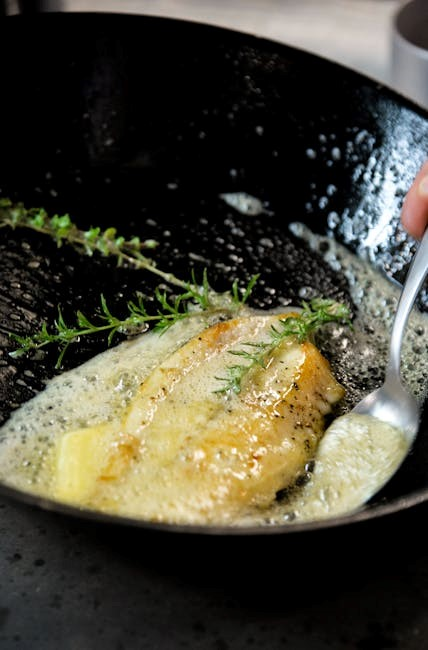
Carefully lower the fish into the hot oil, avoiding overcrowding the pan. Fry for 3-4 minutes per side, until golden brown and crispy. Drain on a wire rack lined with paper towels to remove excess oil. This method delivers a satisfying crunch, but remember to prioritize safety and proper oil handling.
Choosing the Right Oil for Frying
Selecting the optimal oil is paramount when frying Van de Kamp fish, directly impacting the final texture and flavor. Given recent discussions surrounding product weight and quality control, ensuring a consistently good result is even more important.
Neutral-flavored oils with high smoke points are essential. Canola oil is a popular and affordable choice, offering a clean taste. Vegetable oil is another readily available option. Peanut oil provides a slightly richer flavor and excellent crispness, but consider allergy concerns. Sunflower oil is also suitable, boasting a mild taste and high smoke point;
Avoid olive oil, especially extra virgin, as its lower smoke point leads to burning and off-flavors. Similarly, butter isn’t ideal for deep frying due to its low smoke point. The chosen oil should fully submerge the fish for even cooking, and its quality contributes significantly to the overall frying experience.
Maintaining Proper Oil Temperature
Consistent oil temperature is crucial for perfectly fried Van de Kamp fish, especially considering recent scrutiny regarding product consistency. Fluctuations lead to uneven cooking – either soggy, undercooked interiors or burnt exteriors.
Aim for an oil temperature between 350°F and 375°F (175°C ─ 190°C). Use a deep-fry thermometer to monitor accurately. If the oil is too cool, the fish will absorb excess oil, becoming greasy. Too hot, and the coating will burn before the fish cooks through.
Maintain the temperature by adding fish in batches. Overcrowding the fryer drastically lowers the oil temperature. Allow the oil to recover to the desired temperature between batches. A slight sizzle indicates the oil is ready; vigorous bubbling suggests it’s too hot. Careful temperature control ensures a crispy, golden-brown exterior and flaky, cooked-through fish.
Air Frying: A Healthier Alternative
Air frying offers a healthier way to enjoy Van de Kamp fish, mirroring the crispy results of traditional frying with significantly less oil. This method is particularly appealing given current consumer concerns regarding product quality and preparation.
Preheating your air fryer is essential. Set it to 400°F (200°C) for 3-5 minutes. Lightly spray the air fryer basket with cooking oil to prevent sticking. Arrange the Van de Kamp fish in a single layer, ensuring adequate space between pieces for even air circulation.
Cooking time typically ranges from 8-12 minutes, flipping halfway through. Monitor closely, as air fryers vary. For extra crispiness, a light spray of oil before flipping can enhance browning. Air frying delivers a satisfying crunch while reducing fat content, aligning with modern health-conscious cooking preferences.
Air Fryer Temperature & Cooking Duration
Achieving perfectly cooked Van de Kamp fish in an air fryer hinges on precise temperature and timing. A consistent 400°F (200°C) is generally optimal, promoting even cooking and a desirable crispy exterior. However, slight adjustments may be needed based on your specific air fryer model.
Initial cooking duration should be set to 8-10 minutes. This provides a solid baseline, but monitoring is crucial. Flip the fish halfway through – around the 4-5 minute mark – to ensure both sides cook uniformly. For thicker fillets or larger portions, extend the cooking time by 2-4 minutes.
Always check for an internal temperature of 145°F (63°C) using a food thermometer to guarantee safe consumption. Remember, recent scrutiny regarding product weight emphasizes the importance of thorough cooking for optimal quality and safety.
Tips for Even Cooking in an Air Fryer
Ensuring uniformly cooked Van de Kamp fish in an air fryer requires a few key techniques. Avoid overcrowding the basket; work in batches to allow for proper air circulation. This prevents steaming and promotes that desirable crispy texture.
Lightly spray the fish with oil – avocado or olive oil work well – to enhance browning and prevent sticking. Don’t overdo it, as excessive oil can lead to sogginess. Consider using an air fryer rack to elevate the fish, further improving air flow underneath.
Shake the basket or flip the fillets halfway through cooking. This simple step guarantees even exposure to the hot air. Given recent discussions about product weight accuracy, consistent cooking is vital for maximizing enjoyment and ensuring a quality meal.
Safety Guidelines & Best Practices
Prioritize food safety! Always cook Van de Kamp fish to the correct internal temperature, especially considering recent weight concerns and ensuring a quality product.
Internal Temperature for Safe Consumption
Ensuring your Van de Kamp fish reaches a safe internal temperature is paramount for preventing foodborne illness. The USDA recommends cooking fin fish to an internal temperature of 145°F (63°C). Use a reliable food thermometer to verify this, inserting it into the thickest part of the fish fillet.
Considering recent scrutiny regarding product weight and potential inconsistencies, accurate temperature readings become even more crucial. Under-cooked fish can harbor harmful bacteria, while overcooking leads to dryness and diminished flavor.
Different cooking methods – oven baking, frying, or air frying – may affect cooking times, so consistent temperature monitoring is vital. Remember that carryover cooking will continue to raise the temperature slightly after removal from the heat source. Always err on the side of caution and prioritize reaching that 145°F threshold for a safe and enjoyable meal. Proper cooking safeguards your health and maximizes the taste of Van de Kamp products.
Avoiding Overcooking & Dryness
Maintaining moisture is key when cooking Van de Kamp fish, especially given recent concerns about product weight and potential for thinner fillets. Overcooking quickly leads to a dry, unappetizing texture, diminishing the overall dining experience.
To combat this, closely monitor cooking times and temperatures, utilizing a food thermometer as described previously. Breading acts as a partial barrier, but doesn’t entirely prevent moisture loss. Consider basting with melted butter or a light oil during baking or frying to help retain juiciness.
For oven baking, reducing the temperature slightly and extending the cooking time can promote more even cooking. When frying, avoid overcrowding the pan, which lowers oil temperature and encourages uneven cooking. Air frying also requires careful attention, as it can be particularly effective at drying out food. Remember, a slightly undercooked fish is safer and more palatable than one that’s overdone.
Handling & Storage Recommendations
Proper handling and storage are crucial for maintaining the quality and safety of Van de Kamp fish products, particularly considering recent scrutiny regarding product weight and consistency. Always adhere to recommended guidelines to ensure a positive culinary outcome.
Before cooking, keep Van de Kamp fish frozen solid. Upon thawing (using recommended methods), cook immediately. Do not refreeze thawed product. Store frozen fish at 0°F (-18°C) or below for optimal preservation. Ensure packaging is tightly sealed to prevent freezer burn and maintain flavor.
When handling, practice good hygiene. Wash hands thoroughly with soap and water before and after contact with raw fish. Prevent cross-contamination by using separate cutting boards and utensils for fish and other foods. Discard any product exhibiting unusual odor, discoloration, or texture. Following these guidelines safeguards both quality and health.
Troubleshooting Common Cooking Issues
Even with careful preparation, occasional cooking challenges can arise with Van de Kamp fish. Addressing these promptly ensures a delicious result, especially given recent discussions surrounding product consistency and weight concerns.
Fish sticking to the pan? Ensure adequate oil or parchment paper is used. Non-stick cookware is highly recommended. Lowering the heat slightly can also prevent sticking. Uneven cooking & hot spots? Rotate the baking sheet or air fryer basket midway through cooking. Verify your oven or air fryer temperature accuracy with a thermometer.
If the fish appears dry, consider reducing cooking time or brushing with melted butter or oil during baking. For breaded varieties, ensure even coating. Remember, internal temperature is key for safety – always verify it reaches 145°F (63°C). Addressing these issues guarantees a perfectly cooked Van de Kamp meal.
Fish Sticking to the Pan
Dealing with fish sticking can be frustrating, particularly with delicate Van de Kamp fillets. Recent scrutiny regarding product quality emphasizes the importance of proper cooking techniques to maximize enjoyment.
The primary culprit is often insufficient lubrication. Ensure a generous coating of oil – vegetable, canola, or even a spray – covers the pan’s surface. For oven baking, parchment paper creates a non-stick barrier, simplifying cleanup and preventing adhesion. Consider using a well-seasoned cast iron skillet or high-quality non-stick cookware.
Lowering the cooking temperature slightly can also help. A moderate heat allows the fish to cook through without seizing onto the pan. Avoid attempting to move the fish prematurely; allow a slight crust to form before gently lifting with a spatula; Patience and proper preparation are key to preventing sticking and enjoying perfectly cooked Van de Kamp fish.
Uneven Cooking & Hot Spots
Achieving consistently cooked Van de Kamp fish requires addressing potential hot spots within your cooking equipment. Given recent discussions surrounding product weight and quality, ensuring thorough cooking is paramount for both taste and safety.
Many ovens and frying pans exhibit uneven heat distribution. Rotating the baking sheet or fish halfway through the cooking process helps compensate. When frying, avoid overcrowding the pan, as this lowers oil temperature and promotes inconsistent results. For air fryers, shaking the basket periodically ensures even exposure to the circulating hot air.
Using an oven thermometer verifies accurate temperature settings. If hot spots persist, consider using a heavy-duty baking sheet that distributes heat more effectively. Preheating your cooking surface thoroughly is also crucial. Consistent heat application guarantees a uniformly cooked, flavorful Van de Kamp fish experience;
Recent Lawsuits & Product Weight Concerns (as of 12/05/2025)
As of today, December 5th, 2025, Conagra Brands faces a lawsuit alleging deceptive practices regarding the net weight of Mrs. Paul’s and Van de Kamp’s frozen fish products. Consumers claim short weighting occurred, meaning the actual product weight was less than advertised on packaging.
This legal action underscores the importance of verifying product contents and raises questions about quality control. While these concerns don’t directly impact cooking instructions, they highlight a shift in brand accountability. Consumers are encouraged to be vigilant and report any discrepancies.
Furthermore, High Liner Foods recently acquired these brands from Conagra, potentially signaling changes in production and quality assurance. Staying informed about these developments is crucial for maintaining confidence in the products you consume. Thorough cooking, regardless of weight, remains essential for food safety.
Brand Ownership & Acquisition History (High Liner Foods)
Historically, Van de Kamp’s was a prominent name in frozen seafood, but ownership has evolved. As of recent developments – specifically, December 5th, 2025 – High Liner Foods Inc. has officially acquired the Mrs. Paul’s and Van de Kamp’s brands from Conagra Brands Inc.
This acquisition marks a significant shift for both companies. High Liner Foods, a leading frozen seafood provider, expands its portfolio with these well-known brands. Consumers may anticipate potential changes in product formulation, packaging, or distribution as High Liner integrates these brands into its operations.
While the core cooking methods for Van de Kamp’s fish remain consistent, understanding the new ownership provides context. High Liner’s commitment to quality and innovation could influence future product offerings. This transition doesn’t alter safe cooking practices, but it’s a noteworthy development for brand loyalists.