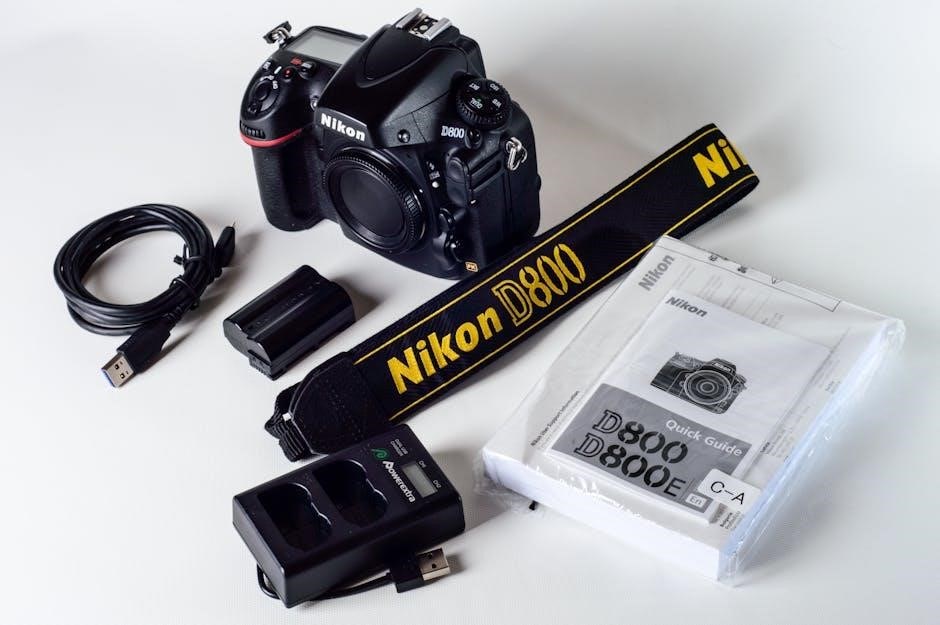
nikon coolpix instruction manual
Nikon Coolpix Instruction Manual: A Comprehensive Guide

Unlock your Nikon Coolpix’s potential! This guide provides easy-to-follow instructions‚ troubleshooting‚ and feature explanations․ Download the free PDF and enjoy capturing stunning photos with confidence․

Understanding Your Coolpix Model
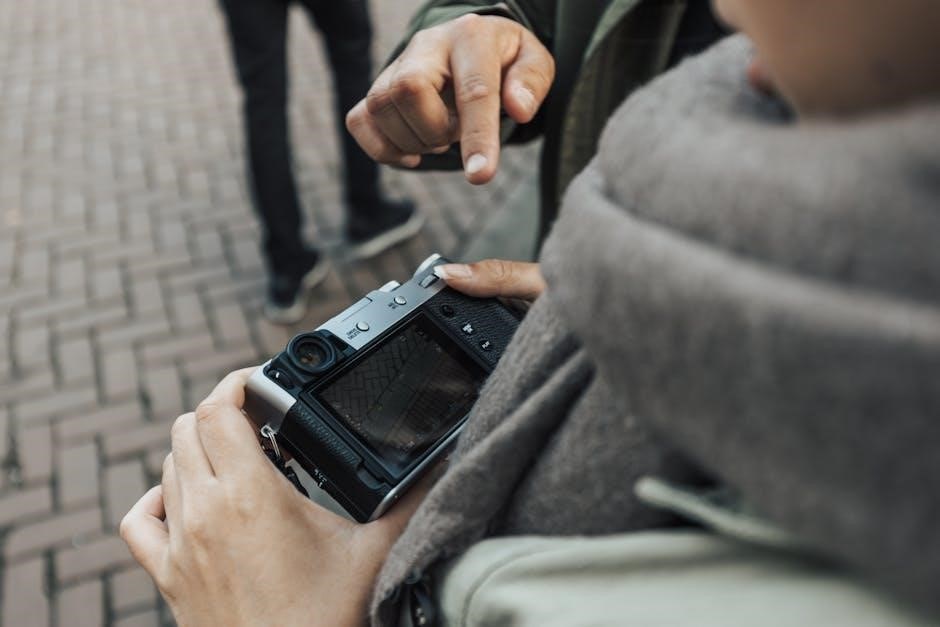
Identifying your specific Coolpix model is the crucial first step․ Nikon offers a diverse range of Coolpix cameras‚ each with unique features and capabilities – from basic point-and-shoot options to advanced models boasting powerful zoom lenses and manual controls․ Referencing the Fast Track Guide and Pocket Guide accompanying your camera will provide initial insights․
Locate the model number‚ typically found on the camera’s front panel‚ bottom‚ or within the battery compartment․ Knowing this allows you to download the correct official Nikon manual‚ ensuring accurate instructions․ The Reference Manual supplements these guides‚ detailing features not covered elsewhere․
Familiarize yourself with the camera’s core functionalities․ Understand its image sensor size‚ megapixel count‚ and zoom range․ These specifications directly impact image quality and versatility․ Explore the camera’s shooting modes – Auto‚ Scene‚ and Manual – to grasp its creative potential․ The Nikon Manual Viewer 2 app (for iOS and Android) offers convenient offline access to your camera’s documentation‚ enhancing your learning experience․
Locating the Official Nikon Coolpix Manual
Accessing the official Nikon Coolpix manual is straightforward․ Begin by visiting the Nikon website and navigating to the support section․ Utilize the search function‚ entering your specific Coolpix model number for precise results․ Downloading the correct manual is paramount for accurate guidance․
Nikon provides manuals in PDF format‚ requiring the latest version of Adobe Acrobat Reader for optimal viewing and printing․ Instructions for downloading and utilizing the PDF are readily available on the Nikon support pages․ Alternatively‚ consider the Nikon Manual Viewer 2 app‚ compatible with iPhones‚ iPads‚ iPod touch‚ and Android devices․ This app allows you to download and view manuals offline‚ a convenient feature for travel or areas with limited internet access․
Ensure the downloaded manual corresponds to your exact model․ Variations exist even within the Coolpix series․ A free PDF guide offers easy access to user guides‚ settings‚ and troubleshooting tips‚ empowering you to master your camera’s features and resolve common issues efficiently․
Safety Precautions and Important Information
Prioritize safety when using your Nikon Coolpix․ Before operation‚ thoroughly read the “For Your Safety” section (Av-vii) included within the comprehensive manual․ This crucial section details essential precautions to prevent injury or damage to the camera and surrounding environment․
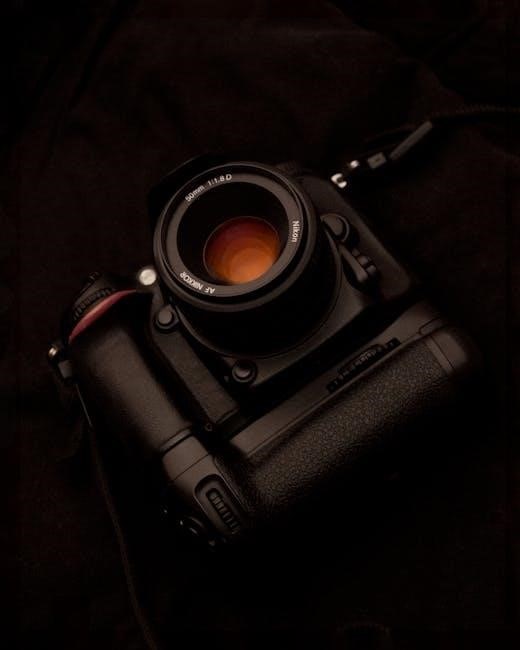
Avoid exposing the camera to extreme temperatures‚ humidity‚ or direct sunlight for prolonged periods․ Do not disassemble or modify the camera‚ as this voids the warranty and poses potential safety risks․ Handle the battery with care‚ avoiding impact or exposure to water․ Improper battery handling can lead to overheating‚ leakage‚ or even explosion․
Keep the camera and accessories out of reach of small children․ The small parts could present a choking hazard․ Regularly inspect the camera for any signs of damage‚ such as cracks or frayed wires․ If damage is detected‚ discontinue use and contact Nikon support․ Always keep the manual handy for reference and share it with all users to ensure safe and responsible operation․
Camera Overview: Buttons and Controls
Familiarize yourself with your Nikon Coolpix’s layout․ The camera features a variety of buttons and controls designed for intuitive operation․ The power button‚ typically located on the top panel‚ initiates and terminates camera functions; Adjacent to it‚ you’ll find the shutter-release button‚ responsible for capturing images․
The mode dial allows selection of various shooting modes‚ including Auto‚ Scene‚ and Manual‚ offering flexibility for different photographic scenarios․ Navigation is primarily handled through a multi-directional pad‚ enabling menu access and image review․ Dedicated buttons often control zoom functionality‚ flash settings‚ and quick access to frequently used features․
The menu button unlocks a comprehensive settings panel‚ allowing customization of image quality‚ ISO sensitivity‚ and white balance․ Refer to the detailed manual for specific button locations and functions‚ as they may vary slightly depending on your Coolpix model․ Understanding these controls is key to maximizing your camera’s capabilities and achieving desired photographic results․
Basic Operations: Powering On/Off & Initial Setup
Starting your Nikon Coolpix is straightforward․ Locate the power button‚ usually prominently positioned on the camera’s top panel‚ and press it firmly․ The camera will initialize‚ displaying the Nikon logo and preparing for operation․ To power off‚ repeat the process – a single press of the power button will typically shut down the device․
Initial setup involves essential configurations․ Upon first use‚ the camera will guide you through setting the date‚ time‚ and preferred language․ It’s crucial to accurately set the date and time for proper image timestamping․ You may also be prompted to select a storage location – either the internal memory or an inserted SD card․
Familiarize yourself with the menu system early on․ This allows customization of image quality‚ shooting preferences‚ and other vital settings․ Ensure the battery is adequately charged before beginning setup‚ and consult the full manual for detailed instructions specific to your Coolpix model․ Proper initial setup ensures a smooth and enjoyable shooting experience․
Navigating the Menu System
The Nikon Coolpix menu system is your gateway to customization․ Accessed via the ‘Menu’ button‚ it’s organized into logical tabs – typically ‘Shooting‚’ ‘Playback‚’ ‘Setup‚’ and sometimes others depending on the model․ Use the directional pad or touchscreen (if equipped) to navigate between tabs and options․
Understanding the icons is key․ Each menu item is represented by an icon and text label․ Take time to explore each section‚ noting the available settings․ The ‘Shooting’ menu controls image quality‚ ISO‚ white balance‚ and focus modes․ ‘Playback’ manages image review and deletion․ ‘Setup’ handles date/time‚ language‚ and connectivity․

The menu structure is hierarchical․ Selecting a main option often leads to submenus with further adjustments․ Use the ‘OK’ or ‘Enter’ button to confirm selections․ Don’t hesitate to experiment – most changes are reversible․ Refer to the comprehensive manual for detailed explanations of each setting and its impact on your photos․ Mastering the menu unlocks the full potential of your Coolpix․
Shooting Modes: Auto‚ Scene‚ and Manual
Your Nikon Coolpix offers a range of shooting modes to suit any situation․ ‘Auto’ mode is the simplest‚ letting the camera handle all settings for point-and-shoot convenience․ It’s ideal for everyday snapshots and quick captures․
‘Scene’ modes cater to specific scenarios․ These pre-programmed settings optimize the camera for landscapes‚ portraits‚ sports‚ night scenes‚ and more; Selecting the appropriate scene mode ensures optimal results without manual adjustments․ Explore the available scenes to find the best fit for your subject․
For experienced users‚ ‘Manual’ mode provides full control․ This allows you to adjust aperture‚ shutter speed‚ ISO‚ and white balance independently‚ enabling creative expression and precise image control․ Understanding these settings is crucial for achieving desired effects․ Experiment with manual mode to unlock your photographic potential and learn the fundamentals of exposure․ The manual provides detailed explanations of each setting․
Understanding Focus and Exposure
Achieving sharp‚ well-exposed images relies on mastering focus and exposure․ Focus determines the clarity of your subject‚ while exposure controls the brightness․ Your Nikon Coolpix employs various focus modes‚ including Auto-area‚ Center-area‚ and Manual Focus․ Auto-area is convenient for general shooting‚ while specific modes offer greater control․
Exposure is governed by aperture‚ shutter speed‚ and ISO․ Aperture controls the lens opening‚ affecting depth of field․ Shutter speed determines how long the sensor is exposed to light‚ influencing motion blur․ ISO adjusts the sensor’s sensitivity to light‚ impacting image noise․
The camera’s metering system analyzes the scene to determine optimal exposure settings․ However‚ you can override these settings using exposure compensation to brighten or darken the image․ Understanding the interplay between these elements is key to capturing images that accurately reflect your vision․ Refer to the manual for detailed explanations and practical examples․
Utilizing Zoom and Image Stabilization
The Nikon Coolpix’s zoom function allows you to get closer to your subject without physically moving․ Optical zoom maintains image quality‚ while digital zoom can introduce pixelation at higher magnification levels․ Familiarize yourself with the zoom controls – typically a lever or buttons – for smooth and precise adjustments․
Image stabilization is crucial for sharp images‚ especially at longer zoom levels or in low light․ Your Coolpix likely features either optical or electronic image stabilization (VR – Vibration Reduction)․ Optical VR physically compensates for camera shake‚ while electronic VR uses software to reduce blur․
Activate image stabilization in the camera menu for noticeably sharper results․ Experiment with different VR settings‚ if available‚ to find the optimal balance between stabilization and battery life․ Remember that image stabilization doesn’t eliminate motion blur caused by moving subjects; it primarily addresses camera shake․ Consult your manual for specific VR features and recommendations․
Working with Flash and Lighting
The Nikon Coolpix offers various flash modes to enhance your photos in different lighting conditions․ Auto flash automatically fires when the camera detects low light․ Red-eye reduction minimizes the red-eye effect in portraits․ Fill flash brightens subjects in backlit situations‚ and flash off disables the flash entirely for natural lighting․
Explore the flash settings in the camera menu to customize its behavior․ You can adjust flash compensation to fine-tune the flash intensity․ Some Coolpix models offer slow sync flash‚ which combines flash with a slower shutter speed to capture more ambient light and create a softer‚ more natural look․
Be mindful of the flash range and potential for harsh shadows․ Diffusers can soften the flash light‚ while external flashes offer greater control and power․ Understanding how light interacts with your subject is key to achieving well-lit and visually appealing photographs․ Refer to your manual for detailed explanations of each flash mode and setting․
Image Playback and Deletion
Reviewing your captured images on the Nikon Coolpix is straightforward․ Press the playback button to enter image viewing mode․ Use the zoom control to magnify images for detailed inspection․ Navigate between photos using the left and right buttons․ The display provides essential shooting information like date‚ time‚ and camera settings․
Deleting unwanted images is simple but requires caution․ Select the image you wish to remove and press the delete button․ A confirmation prompt will appear to prevent accidental deletion․ You can delete single images or multiple images at once․ Be absolutely certain before confirming deletion‚ as deleted files are often unrecoverable․
Protecting important images from accidental deletion is also possible․ Use the protect function to lock specific photos‚ preventing them from being erased․ Remember to unprotect images when you want to delete them again․ Regularly back up your photos to a computer or external storage device to safeguard your precious memories․
Connecting to a Computer: Transferring Photos
Transferring your Nikon Coolpix photos to a computer is essential for storage‚ editing‚ and sharing․ Typically‚ you’ll connect your camera using a USB cable․ Ensure the camera is powered off before connecting‚ then switch it on․ Your computer should recognize the Coolpix as a removable drive․
Two primary methods exist for transferring images: Mass storage mode and Nikon Transfer software․ Mass storage mode allows drag-and-drop file transfer‚ similar to a USB drive․ Nikon Transfer‚ downloadable from Nikon’s website‚ offers more features like automatic organization and image selection․ It’s recommended for optimal workflow․
Before disconnecting‚ safely eject the camera from your computer’s operating system․ This prevents data corruption․ Regularly updating your computer’s drivers and the Nikon Transfer software ensures smooth connectivity and efficient file transfers․ Consider using a card reader for faster transfer speeds‚ especially with large numbers of high-resolution images․
Wi-Fi Functionality and Mobile App Integration
Your Nikon Coolpix camera likely offers Wi-Fi connectivity‚ enabling seamless photo transfer and remote control via a smartphone or tablet․ The Nikon SnapBridge app is central to this functionality‚ available for both iOS and Android devices․ Download and install SnapBridge on your mobile device before proceeding․
To connect‚ enable Wi-Fi on your Coolpix and follow the on-screen prompts to pair it with your smartphone․ SnapBridge automatically transfers low-resolution images for easy sharing on social media․ You can also manually transfer high-resolution photos․ Remote control features allow you to adjust camera settings and trigger the shutter from your phone․
Ensure both your camera and smartphone are connected to the same Wi-Fi network․ Troubleshooting connection issues often involves restarting both devices and verifying network settings․ Regularly update the SnapBridge app for optimal performance and access to new features․ Explore the app’s settings to customize transfer preferences and remote control options․
Troubleshooting Common Issues
Encountering problems with your Nikon Coolpix? Several common issues have straightforward solutions․ If the camera won’t power on‚ check the battery charge and ensure it’s correctly installed․ For blurry images‚ verify the focus mode is appropriate for your subject and that image stabilization is enabled․
If you’re experiencing Wi-Fi connectivity problems‚ restart both the camera and your mobile device‚ and confirm they’re on the same network․ Memory card errors often resolve with a card reformat (remember to back up your photos first!)․ If the screen freezes‚ try a soft reset by removing and reinserting the battery․
For more complex issues‚ consult the official Nikon support website for FAQs and detailed troubleshooting guides․ Regularly updating the camera’s firmware can also address bugs and improve performance․ If problems persist‚ consider contacting Nikon customer support for assistance; Remember to have your camera model and serial number readily available when seeking help․
Care and Maintenance of Your Coolpix Camera
Protecting your Nikon Coolpix ensures years of reliable performance․ Regularly clean the lens with a microfiber cloth designed for optics‚ avoiding harsh chemicals or abrasive materials․ Dust and fingerprints can significantly degrade image quality․ The camera body should be wiped down with a soft‚ dry cloth․
Proper battery care is crucial․ Remove the battery when the camera is not in use for extended periods to prevent potential leakage or corrosion․ Store the battery in a cool‚ dry place․ Avoid exposing the camera to extreme temperatures‚ humidity‚ or direct sunlight‚ as these conditions can damage internal components․
Handle the camera with care‚ avoiding drops or impacts․ When transporting your Coolpix‚ use a protective case or bag․ Regularly check for loose screws or damaged parts․ Following these simple maintenance steps will help keep your Nikon Coolpix in optimal condition‚ allowing you to continue capturing memorable moments․