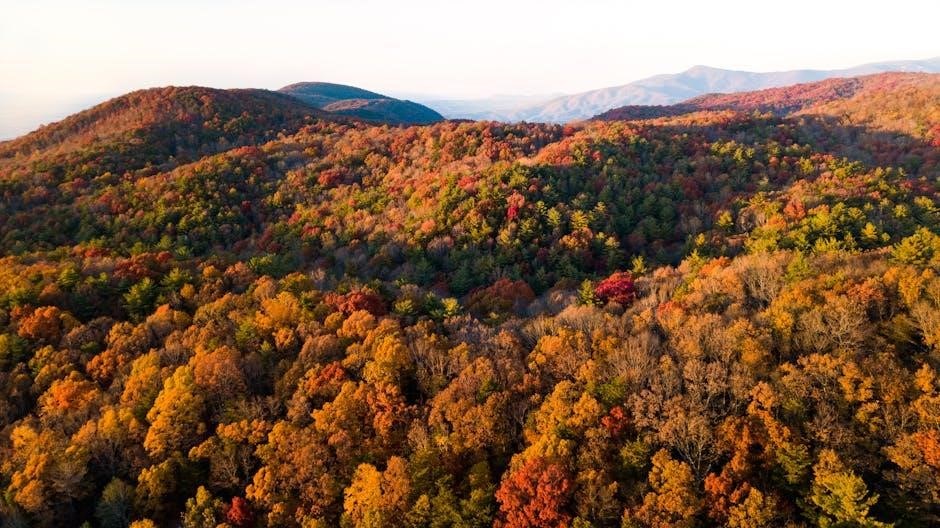
appalachian mountain club white mountain guide
Appalachian Mountain Club White Mountain Guide: A Comprehensive Plan
The AMC White Mountain Guide is an essential resource for hikers‚ offering detailed trail information and maps for adventures within the White Mountain National Forest․
This guidebook‚ GPS-inventoried and field-checked‚ aids planning for day trips or week-long backcountry explorations‚ ensuring a safe and rewarding experience․

The Appalachian Mountain Club (AMC) White Mountain Guide stands as the definitive resource for exploring the White Mountain National Forest․ For generations‚ hikers have relied on its comprehensive trail descriptions‚ detailed maps‚ and invaluable safety information․
This guide isn’t merely a collection of trails; it’s a culmination of decades of dedicated field work by AMC volunteers and cartographers․ Each trail segment is meticulously GPS-inventoried and field-checked‚ ensuring accuracy and reliability․ Whether you’re a seasoned mountaineer tackling the Presidential Traverse or a novice enjoying a day hike‚ the White Mountain Guide provides the essential tools for a successful and enjoyable experience․
It’s a cornerstone for planning any adventure‚ from short excursions to extended backcountry trips‚ and a testament to the AMC’s commitment to responsible recreation․
Historical Overview of the AMC and the Guide
The Appalachian Mountain Club (AMC)‚ founded in 1876‚ began as a group of Harvard students seeking to preserve the natural beauty of the White Mountains․ Early efforts focused on trail maintenance and the construction of shelters‚ laying the groundwork for responsible recreation․
The first White Mountain Guide emerged from this dedication‚ initially a modest publication evolving over decades into the comprehensive resource it is today․ Throughout the 20th and 21st centuries‚ the AMC and its guide have adapted to changing recreational needs‚ incorporating advancements in cartography and safety standards․
The guide’s history reflects a continuous commitment to conservation‚ education‚ and providing hikers with the knowledge to safely enjoy the White Mountain National Forest․
Purpose and Scope of the Guide
The AMC White Mountain Guide serves as the definitive resource for planning and executing hiking trips in the White Mountain National Forest․ Its primary purpose is to provide hikers with detailed‚ accurate‚ and up-to-date information on trails‚ terrain‚ and potential hazards․
The guide’s scope encompasses a vast network of trails‚ ranging from easy day hikes to challenging multi-day backpacking routes‚ including the iconic Presidential Traverse․ It details elevation profiles‚ distances‚ and estimated hiking times․
Beyond trails‚ the guide covers AMC hut systems‚ campsites‚ and essential safety considerations‚ empowering hikers to make informed decisions and experience the White Mountains responsibly․
Understanding the White Mountain National Forest
The White Mountain National Forest presents diverse terrain‚ from gentle slopes to rugged peaks‚ demanding preparedness and respect for its challenging‚ yet rewarding‚ environment․
Geography and Terrain of the White Mountains
The White Mountains‚ a subrange of the Appalachian Mountains‚ are characterized by their steep slopes and rugged‚ glaciated terrain․ This region encompasses approximately one quarter of New Hampshire‚ offering a diverse landscape for hikers and adventurers․
Dominating the range are several prominent peaks‚ including Mount Washington‚ the highest peak in the Northeastern United States․ The terrain varies significantly‚ from dense forests and cascading waterfalls to exposed alpine zones above the treeline․
Numerous cirques‚ aretes‚ and tarns – remnants of glacial activity – shape the landscape‚ creating challenging and breathtaking hiking opportunities․ The AMC White Mountain Guide meticulously details these geographical features‚ aiding hikers in understanding and navigating this complex environment․
Climate and Weather Patterns
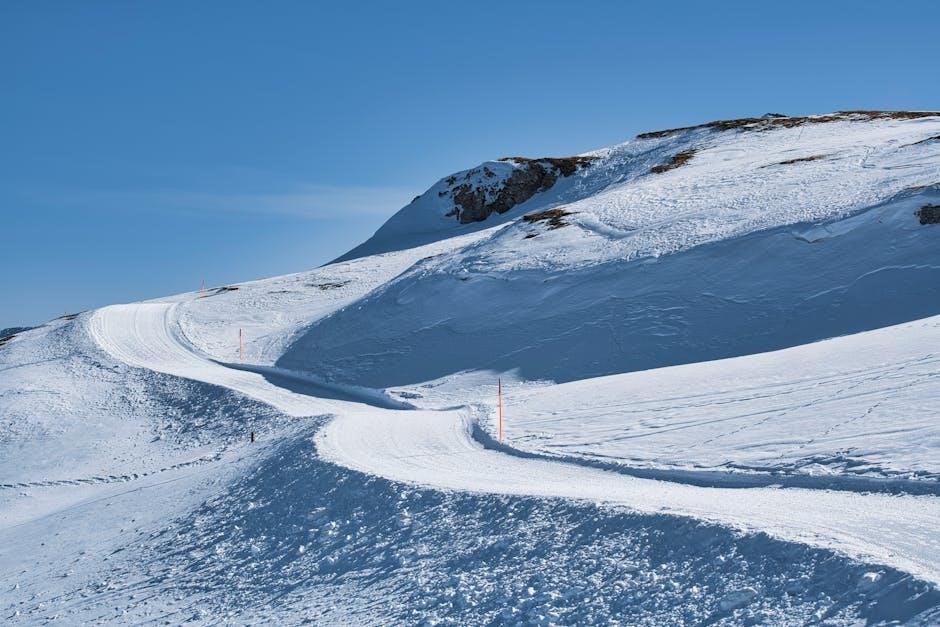
The White Mountains experience a highly variable and often extreme climate‚ renowned for its unpredictable weather patterns․ Conditions can change rapidly‚ even within a single day‚ demanding careful preparation from hikers․
Summers are generally mild‚ but cool temperatures and rainfall are common at higher elevations․ Winters are long and harsh‚ with significant snowfall and frigid temperatures․ Mount Washington is famous for recording some of the worst weather conditions in the world․
The AMC White Mountain Guide emphasizes the importance of weather preparedness‚ advising hikers to check forecasts before venturing out and to be equipped for all possibilities․ Understanding these patterns is crucial for safety and enjoyment․
Ecological Zones and Wildlife
The White Mountain National Forest boasts diverse ecological zones‚ ranging from boreal forests at higher elevations to hardwood forests at lower ones․ These varying habitats support a rich array of wildlife․ Hikers may encounter black bears‚ moose‚ white-tailed deer‚ and a variety of bird species․
The AMC White Mountain Guide highlights the importance of respecting wildlife and practicing Leave No Trace principles․ It provides information on responsible wildlife viewing and bear safety protocols‚ emphasizing the need to store food properly and avoid attracting animals․
Understanding the delicate balance of these ecosystems is vital for preserving the natural beauty of the region for future generations․

Guidebook Features and How to Use Them
The AMC White Mountain Guide provides trail ratings‚ detailed maps‚ elevation profiles‚ and distance calculations to empower hikers for safe and informed planning․
Trail Ratings and Difficulty Levels
The AMC White Mountain Guide employs a comprehensive trail rating system to assist hikers in selecting appropriate routes based on their experience and fitness levels․ Trails are categorized considering factors like elevation gain‚ terrain ruggedness‚ exposure‚ and overall length․
Ratings typically range from “Easy” – suitable for beginners and families – to “Difficult‚” demanding significant physical exertion and navigational skills․ The guide clearly outlines these distinctions‚ providing crucial insights into the challenges each trail presents․ Understanding these ratings is paramount for safe and enjoyable hiking․
Furthermore‚ the guide often includes notes on specific obstacles or sections within a trail that may contribute to its overall difficulty‚ allowing hikers to prepare accordingly and make informed decisions․
Map Reading and Interpretation
The AMC White Mountain Guide features detailed topographic maps‚ crucial for successful navigation․ These maps are GPS-inventoried and field-checked by the AMC’s cartography department‚ ensuring accuracy and reliability․ Hikers should familiarize themselves with map symbols representing terrain features like contours‚ cliffs‚ and vegetation․
Understanding contour lines is essential for visualizing elevation changes and assessing trail steepness․ The guide explains how to interpret these lines‚ alongside other map elements such as trail markings‚ water sources‚ and landmarks․
Effective map reading‚ combined with a compass‚ allows hikers to pinpoint their location‚ plan routes‚ and avoid getting lost in the challenging White Mountain terrain․
Elevation Profiles and Distance Calculations
The AMC White Mountain Guide provides hikers with vital tools for trip planning: detailed elevation profiles and accurate distance calculations for each trail․ These profiles visually represent the ascent and descent along a route‚ allowing hikers to gauge the physical demands and anticipate challenging sections․
Trail-segment mileage is meticulously included on the maps‚ enabling precise distance estimations․ Combining elevation profiles with distance data allows for realistic time estimations‚ crucial for safe and enjoyable hikes․
Understanding these elements helps hikers prepare appropriately for the terrain and ensure they have sufficient time and energy to complete their chosen route within the White Mountain National Forest․
Huts and Campsites in the White Mountains
The AMC operates a unique hut system offering lodging and meals‚ alongside designated campsites for backcountry camping‚ requiring reservations and adherence to specific regulations․
AMC Hut System: Overview and Amenities
The Appalachian Mountain Club (AMC) boasts a remarkable hut system nestled within the White Mountain National Forest‚ providing unique lodging experiences for hikers․ These huts aren’t hotels; they offer a communal atmosphere‚ typically featuring bunkrooms accommodating multiple guests․
Amenities generally include cooked meals – breakfast and dinner are standard – eliminating the need to carry extensive food supplies․ Huts also provide caretakers who offer valuable local knowledge and ensure a safe environment․ Expect limited or no cell service and a focus on disconnecting from technology․
While comfortable‚ the huts prioritize functionality over luxury․ Guests share bathroom facilities and participate in light chores․ This system fosters a sense of community and shared responsibility‚ enhancing the overall backcountry experience․ Reservations are essential‚ particularly during peak season․
Reservations and Hut Etiquette
Reservations for AMC huts are absolutely crucial‚ especially during peak hiking seasons․ The AMC website facilitates online booking‚ and advanced planning is highly recommended‚ sometimes months in advance‚ to secure your desired dates and hut․ Walk-up availability is rare and unreliable․
Hut etiquette emphasizes community and respect․ Guests are expected to participate in light chores‚ such as washing dishes or tidying common areas․ Quiet hours are strictly enforced to ensure restful sleep for all․ Pack out all trash and minimize your impact on the environment․
Respect the caretakers’ guidance and adhere to any specific rules of the hut․ Remember‚ the huts are designed to be a shared experience‚ fostering camaraderie among hikers․
Designated Campsites and Backcountry Camping Regulations
The White Mountain National Forest offers both designated campsites and opportunities for backcountry camping‚ though regulations are strict to protect the fragile alpine environment․ Designated campsites often require reservations‚ particularly in popular areas‚ and provide established tent platforms and fire rings (where permitted)․
Backcountry camping outside designated sites is allowed in most areas‚ but requires adherence to specific rules․ These include camping at least 200 feet from water sources‚ trails‚ and summits․ Proper food storage is mandatory to prevent attracting wildlife‚ especially bears – utilize bear canisters or hang food properly․
Leave No Trace principles are paramount; pack out everything you pack in‚ minimize campfire impacts‚ and respect wildlife․
Popular Hiking Trails – Northern White Mountains
Northern trails‚ like the Presidential Traverse and Franconia Ridge Loop‚ present challenging yet rewarding hikes with stunning views‚ detailed in the AMC guide․
Presidential Traverse: A Detailed Overview
The Presidential Traverse‚ a renowned challenge within the White Mountains‚ is comprehensively covered in the AMC White Mountain Guide․ This demanding route summits multiple peaks‚ including Mount Washington‚ exposing hikers to unpredictable and severe alpine conditions․
The guide provides crucial details regarding trail segments‚ mileage‚ elevation gains‚ and potential hazards․ It emphasizes thorough weather preparedness‚ as conditions can shift rapidly․ Detailed maps‚ GPS-inventoried and field-checked by AMC’s cartography department‚ are invaluable for navigation․
Hikers should anticipate rugged terrain and significant elevation changes․ The guide also outlines hut locations along the traverse‚ offering potential shelter and resupply options‚ alongside reservation information and etiquette guidelines․ Experienced hikers‚ equipped with appropriate gear‚ will find the Presidential Traverse a truly unforgettable experience‚ aided by the AMC’s detailed resources․
Mount Washington: Routes and Considerations
Mount Washington‚ the highest peak in the Northeast‚ receives extensive coverage in the AMC White Mountain Guide․ The guide details numerous routes to the summit‚ varying in difficulty and length‚ catering to diverse hiking abilities․ Popular options include the Tuckerman Ravine Trail and the Lion Head Trail‚ each with specific challenges․
Crucially‚ the guide emphasizes the mountain’s notoriously unpredictable weather․ Hikers are warned about rapid temperature drops‚ high winds‚ and potential for whiteout conditions․ Detailed weather forecasts and preparedness checklists are provided․
The guide also outlines access to the Mount Washington Observatory and the availability of hut accommodations․ GPS-inventoried maps and elevation profiles aid navigation‚ while warnings about exposed terrain and potential hazards ensure hikers are well-informed before attempting this iconic climb․
Franconia Ridge Loop: Challenges and Rewards
The Franconia Ridge Loop‚ a classic White Mountains hike‚ is thoroughly detailed within the AMC White Mountain Guide․ The guide highlights the exposed and challenging nature of the ridge walk‚ traversing Little Haystack‚ Mount Lincoln‚ and Mount Lafayette․ It emphasizes the need for excellent physical condition and careful weather monitoring․
The guide provides precise trail descriptions‚ elevation profiles‚ and distance calculations‚ aiding in trip planning․ It warns hikers about potential for strong winds and limited shelter along the exposed ridge․
Despite the difficulties‚ the loop offers breathtaking 360-degree views․ The AMC guide notes the rewards – stunning alpine scenery and a sense of accomplishment – making it a popular‚ yet demanding‚ adventure for experienced hikers․
Popular Hiking Trails – Southern White Mountains
The AMC White Mountain Guide details southern trails like the Kancamagus Highway options and Mount Monadnock‚ offering accessibility and classic New England hiking experiences․
Kancamagus Highway Trails: Accessibility and Scenery
The AMC White Mountain Guide extensively covers trails accessible from the Kancamagus Highway‚ renowned for their stunning scenery and varying difficulty levels․ These trails provide options for all hikers‚ from leisurely day trips to more challenging ascents․
The guide details trailheads‚ mileage‚ elevation gains‚ and notable features‚ ensuring informed planning․ Hikers can explore waterfalls‚ scenic overlooks‚ and forested paths․ The Kancamagus area offers convenient access to the White Mountain National Forest‚ making it a popular destination․
AMC’s field-checked maps and descriptions within the guide are invaluable for navigating these trails safely and appreciating the region’s natural beauty․ Expect diverse terrain and breathtaking views‚ all meticulously documented․
Pemigewasset Wilderness: Remote Hiking Opportunities
The AMC White Mountain Guide provides crucial details for navigating the Pemigewasset Wilderness‚ a truly remote and challenging area within the White Mountain National Forest․ This region appeals to experienced hikers seeking solitude and rugged terrain․
The guide meticulously outlines trails‚ campsites‚ and potential hazards‚ emphasizing the importance of self-sufficiency and preparedness․ Expect demanding ascents‚ river crossings‚ and limited trail markings․ AMC’s cartography ensures accurate navigation‚ vital in this wilderness setting․
Detailed descriptions of loop hikes and backcountry camping regulations are included‚ assisting hikers in planning extended trips․ The White Mountain Guide stresses responsible wilderness ethics for preserving this pristine environment․
Mount Monadnock: A Classic New England Hike
The AMC White Mountain Guide dedicates significant coverage to Mount Monadnock‚ a frequently visited and iconic peak offering accessible hiking in southern New Hampshire․ While not within the White Mountain National Forest itself‚ its inclusion reflects the AMC’s broader regional expertise․
The guide details various trails to the summit‚ ranging in difficulty‚ catering to both novice and experienced hikers․ Expect exposed rock scrambles near the peak‚ offering panoramic views․ Information on parking‚ trail conditions‚ and potential crowding is provided․
AMC emphasizes responsible recreation on Monadnock‚ given its popularity‚ and highlights Leave No Trace principles․ The White Mountain Guide assists in planning a safe and enjoyable ascent of this New England classic․
Safety Considerations for White Mountain Hiking
The AMC White Mountain Guide stresses weather preparedness‚ navigation skills‚ and wildlife awareness for safe hiking‚ emphasizing potential hazards and preventative measures․
Weather Preparedness and Hypothermia Prevention
The AMC White Mountain Guide consistently emphasizes the unpredictable and rapidly changing weather conditions prevalent in the White Mountains․ Hikers must be prepared for all possibilities‚ even during summer months․ Layering clothing is crucial‚ allowing for adjustments based on temperature and activity level․
Understanding the signs of hypothermia – shivering‚ confusion‚ slurred speech – is vital‚ as it can develop quickly․ Carrying waterproof and windproof outer layers‚ along with extra clothing‚ is non-negotiable․ The guide recommends checking the forecast before heading out and being prepared to alter plans if conditions deteriorate․ Awareness and proactive preparation are key to preventing dangerous situations․
Navigation Skills and Avoiding Getting Lost
The AMC White Mountain Guide stresses the importance of proficient navigation skills‚ as trails can be poorly marked or obscured by weather․ Relying solely on cell service is unwise due to limited coverage․ The guide advocates for carrying a detailed map and compass‚ and knowing how to use them effectively․
GPS devices are helpful supplements‚ but shouldn’t replace traditional methods․ Familiarize yourself with map reading‚ elevation profiles‚ and distance calculations before your hike․ Regularly check your location on the map and be aware of landmarks․ If disoriented‚ stay calm‚ retrace your steps if possible‚ and avoid making hasty decisions that could worsen the situation․
Wildlife Encounters and Bear Safety
The AMC White Mountain Guide advises hikers to be aware of potential wildlife encounters‚ particularly with black bears․ While generally shy‚ bears are attracted to food odors‚ so proper food storage is crucial․ Utilize bear-resistant canisters or hang food properly‚ at least 10 feet off the ground and 4 feet from the trunk․
Carry bear spray and know how to use it․ If you encounter a bear‚ remain calm‚ make noise‚ and slowly back away․ Never run․ Be mindful of moose‚ which can be aggressive‚ especially during mating season․ Observe wildlife from a distance and never approach or feed them‚ protecting both yourself and the animals․

Gear and Equipment Recommendations
The AMC White Mountain Guide stresses packing essential hiking gear‚ including appropriate clothing‚ sturdy footwear‚ navigation tools (maps‚ compass‚ GPS)‚ and sufficient food/water․
Essential Hiking Gear Checklist
The AMC White Mountain Guide emphasizes thorough preparation‚ beginning with a comprehensive gear checklist․ Essential items include a well-fitted backpack‚ layered clothing for rapidly changing conditions‚ and waterproof outer layers․ Sturdy hiking boots‚ broken-in beforehand‚ are crucial‚ alongside moisture-wicking socks․
Navigation requires a detailed map‚ compass‚ and optionally‚ a GPS device with pre-loaded trails․ Safety gear should encompass a first-aid kit‚ headlamp or flashlight with extra batteries‚ a whistle‚ and a fire starter․ Don’t forget sun protection – sunscreen‚ sunglasses‚ and a hat․ Carry sufficient food and water‚ plus a water filter or purification tablets․ A knife or multi-tool completes the basic list‚ ensuring preparedness for various scenarios encountered on the trails․

Clothing and Footwear for Varying Conditions
The AMC White Mountain Guide stresses the importance of adaptable clothing․ The White Mountains are known for unpredictable weather; layering is key․ Begin with a moisture-wicking base layer‚ add an insulating mid-layer (fleece or down)‚ and finish with a waterproof and windproof outer shell․
Footwear demands sturdy‚ broken-in hiking boots offering ankle support․ Consider waterproof boots to combat wet trails and stream crossings․ Pack extra socks – wool or synthetic blends are best – to prevent blisters and maintain warmth․ Avoid cotton‚ as it retains moisture and can lead to hypothermia․ Hats and gloves are essential even in warmer months‚ as conditions can change rapidly at higher elevations․
Navigation Tools: Maps‚ Compass‚ and GPS
The AMC White Mountain Guide emphasizes self-reliance in navigation․ While trails are generally well-marked‚ conditions can deteriorate quickly‚ and getting lost is a serious risk․ A detailed topographic map of the area is paramount‚ alongside a reliable compass and the knowledge to use them effectively․
GPS devices are valuable supplements‚ but shouldn’t be solely relied upon – batteries can fail․ Familiarize yourself with map reading‚ understanding contour lines‚ and identifying landmarks․ The AMC’s cartography department GPS-inventories trails‚ ensuring map accuracy․ Practice using these tools before your hike‚ and always carry backups․ Knowing your location is crucial for safety․
Resources and Further Information
Explore the AMC website for membership benefits and additional publications like “Best Day Hikes” and “Best Backpacking․” The White Mountain National Forest Service also provides valuable resources․
AMC Website and Membership Benefits
The Appalachian Mountain Club (AMC) website serves as a central hub for comprehensive information regarding the White Mountain National Forest and beyond․ Visitors can access updated trail conditions‚ safety advisories‚ and detailed descriptions of huts and campsites․
AMC membership unlocks a wealth of benefits‚ including discounts on lodging‚ workshops‚ and guided trips․ Members also receive access to exclusive content‚ volunteer opportunities‚ and contribute to the organization’s conservation efforts․ Supporting the AMC directly funds trail maintenance‚ educational programs‚ and advocacy for responsible recreation․
Furthermore‚ the website features links to related publications‚ such as “Best Day Hikes” and “Best Backpacking‚” offering curated trail suggestions for various skill levels․ It’s an invaluable resource for planning and enhancing your White Mountain experience․
Related AMC Publications (Best Day Hikes‚ Best Backpacking)
Expanding beyond the flagship White Mountain Guide‚ the AMC offers specialized publications to cater to diverse hiking preferences․ “Best Day Hikes in the White Mountains” by Ty Wivell (ISBN-13: 978-1-934028-49-0) provides curated options for shorter adventures‚ detailing accessibility and scenic highlights․
For those seeking multi-day experiences‚ “Best Backpacking in New England‚ 2nd Edition” by Matt Heid (ISBN-13: 978-1-934028-90-2) offers in-depth route descriptions‚ gear recommendations‚ and logistical planning advice․ These companion guides complement the White Mountain Guide‚ providing focused resources for specific trip types․
Additionally‚ the AMC publishes the “Maine Mountain Guide‚” extending its expertise to neighboring trails‚ including Baxter State Park and Acadia National Park‚ broadening your exploration possibilities․
External Resources: White Mountain National Forest Service
For the most current information regarding trail conditions‚ closures‚ and regulations‚ the White Mountain National Forest Service website is an invaluable resource․ This official source provides updates on weather-related hazards‚ fire restrictions‚ and any ongoing maintenance impacting accessibility․
Beyond trail specifics‚ the Forest Service offers details on permitted activities‚ backcountry camping guidelines‚ and Leave No Trace principles‚ ensuring responsible recreation․ Access to maps‚ downloadable trail information‚ and contact details for ranger stations are also readily available․
Combining the comprehensive detail of the AMC White Mountain Guide with the real-time updates from the Forest Service ensures a well-prepared and safe hiking experience․