cars with awd and manual transmission
AWD and manual cars represent a dwindling, yet cherished, segment of the automotive market, offering a unique blend of control and driver engagement. Historically, manual transmissions were standard, but now they’re a niche offering, particularly when paired with all-wheel drive systems.
The Appeal of a Manual AWD Vehicle
The allure of a manual all-wheel-drive (AWD) vehicle lies in the heightened connection it fosters between driver and machine. Unlike the detachment of automatic transmissions, a manual gearbox demands active participation, creating a more immersive and rewarding driving experience. Combining this with AWD unlocks exceptional control, particularly in challenging conditions like snow, rain, or gravel.
This synergy isn’t merely about practicality; it’s about feeling truly in the car. The ability to select gears precisely allows drivers to optimize power delivery and maintain momentum, enhancing both performance and confidence. For enthusiasts, it’s a celebration of driving skill and a rejection of automated convenience, offering a raw and engaging experience increasingly rare in modern automobiles.
Historical Context: Manual Transmissions in Cars
Manual transmissions dominated the automotive landscape for decades, representing the standard method of gear selection. As far back as 1942, a remarkable 70% of American cars utilized stick shifts, a testament to their prevalence and practicality. However, the rise of automatic transmissions gradually eroded their market share, offering increased convenience and ease of use.
Early AWD systems were often paired with manual gearboxes, demanding skilled drivers to manage power delivery effectively. Learning to operate a manual transmission wasn’t always easy, requiring coordination and practice. Despite the shift towards automatics, a dedicated following has preserved the appeal of manual transmissions, particularly within the realm of performance and enthusiast vehicles.
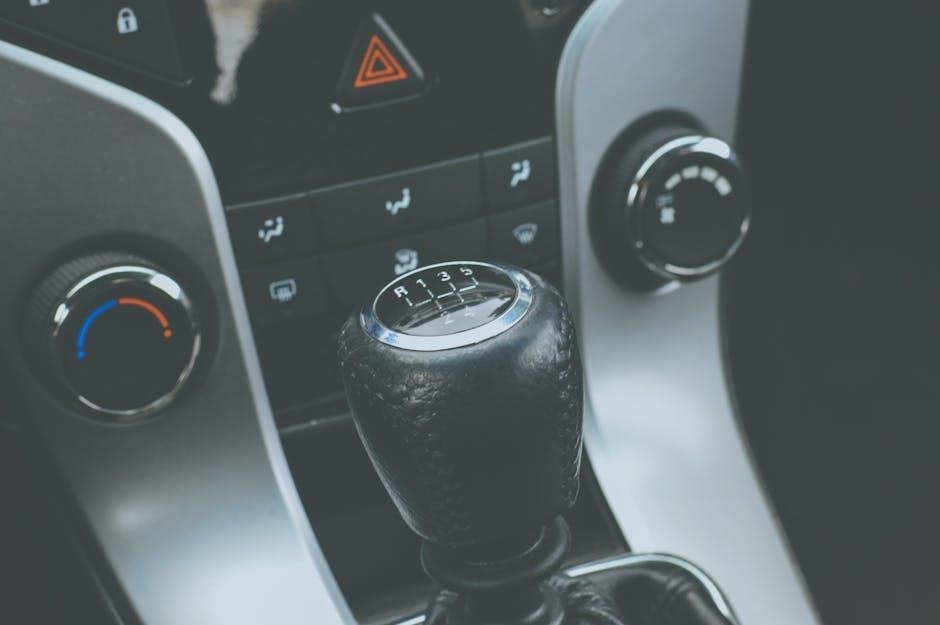
Why Choose AWD?
All-wheel drive enhances traction and stability, especially in challenging conditions, providing superior control compared to two-wheel drive systems. It’s a valuable asset for drivers seeking confidence and capability.
Benefits of All-Wheel Drive
All-wheel drive (AWD) delivers significant advantages, particularly in diverse driving scenarios. Enhanced traction is paramount, providing a more secure grip on slippery surfaces like snow, ice, or loose gravel. This translates to improved acceleration and braking performance, boosting driver confidence. AWD systems distribute power to all four wheels, minimizing wheelspin and maximizing stability during cornering.
Beyond inclement weather, AWD benefits everyday driving by improving handling and responsiveness. It can also increase resale value, appealing to a broader range of potential buyers. For those prioritizing safety and control, especially in regions with variable weather conditions, AWD is a compelling choice, complementing the engaging experience of a manual transmission.
AWD Systems Explained: Types and Functionality
AWD systems vary in their approach to power distribution. Full-time AWD constantly sends power to all four wheels, offering maximum grip. Part-time AWD engages the rear wheels only when needed, improving fuel efficiency. On-demand AWD operates primarily in front-wheel drive, engaging the rear wheels upon detecting wheelspin.
Modern AWD systems often utilize electronic controls and sensors to dynamically adjust power delivery. These systems can react in milliseconds to changing road conditions, optimizing traction and stability. The evolution from early, mechanical systems to today’s sophisticated electronic implementations has dramatically improved AWD performance and responsiveness, enhancing the driving experience.
The Diminishing Availability of Manual Transmissions
Manual transmissions are becoming increasingly rare, with a significant decline in popularity over the decades, shifting from 70% in 1942 to a small fraction today.
Reasons for the Decline in Manual Transmission Popularity
Several factors contribute to the decreasing prevalence of manual transmissions. Automatic transmissions offer ease of use, particularly appealing in congested urban environments, reducing driver fatigue. Modern automatics also often achieve comparable, or even superior, fuel efficiency to manuals. The steeper learning curve associated with mastering a manual gearbox deters many potential buyers.
Furthermore, manufacturers prioritize automatic transmissions due to higher production volumes and consumer demand. As technology advances, automatic transmissions become more sophisticated and refined, further diminishing the appeal of manual options. The shift reflects a broader trend towards convenience and accessibility in automotive technology, impacting the availability of driver-focused options.
National Stick Shift Day and Manual Transmission Advocacy
Recognizing the decline, enthusiasts created National Stick Shift Day to celebrate and preserve the art of driving a manual transmission. Celebrated annually, it aims to raise awareness and appreciation for this diminishing skill. Automotive publications like Cars.com actively promote the day, encouraging drivers to experience the unique connection a manual gearbox provides.
Advocacy efforts focus on highlighting the driver engagement and control offered by manuals. These initiatives aim to counter the narrative that automatics are inherently superior, reminding drivers of the joy and satisfaction derived from a truly interactive driving experience, even in AWD vehicles.
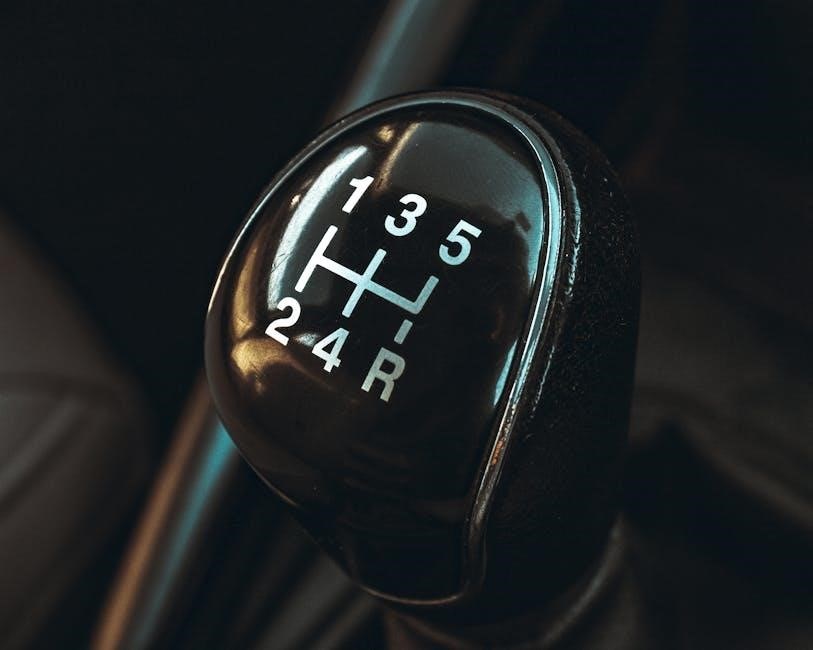
Current Cars Offering AWD and Manual Transmission (2025)
As of 2025, options are limited, with Subaru and Honda leading the charge, offering select models with both AWD and a manual transmission for driving enthusiasts.
Subaru Models: A Strong Contender
Subaru consistently stands out as a champion for both all-wheel drive and the manual transmission, offering several models that cater to drivers seeking a connected experience. Their commitment to these features makes them a prime choice in a shrinking market. Subaru understands the appeal of driver engagement alongside the security of AWD. This dedication is evident in their lineup, providing options for various budgets and performance preferences. They remain a beacon for those who appreciate a traditional driving feel, blending modern technology with classic mechanics, ensuring a thrilling and capable ride for enthusiasts.
Subaru Impreza: Entry-Level AWD and Manual
The Subaru Impreza represents an accessible gateway into the world of AWD and manual transmissions. It’s often cited as one of the most affordable new cars offering this combination, making it appealing to budget-conscious enthusiasts. While basic, the Impreza delivers Subaru’s renowned symmetrical all-wheel drive system, providing enhanced traction and stability in various conditions. The available manual transmission adds a layer of driver involvement often missing in modern vehicles. It’s a practical and engaging choice, proving that fun-to-drive doesn’t always equate to a high price tag, offering a solid foundation for driving enjoyment.
Subaru WRX: Performance-Oriented Option
The Subaru WRX elevates the AWD and manual experience, catering to drivers seeking a more spirited performance. Building upon Subaru’s all-wheel-drive expertise, the WRX delivers a potent combination of power and control. Its turbocharged engine and responsive manual transmission create an engaging driving experience, favored by enthusiasts. The WRX isn’t just about straight-line speed; its AWD system enhances cornering ability and provides confidence in challenging conditions. It’s a rally-bred machine offering a thrilling and connected drive, representing a significant step up in performance from the Impreza, while still retaining the joy of a manual gearbox.
Honda Models: Enthusiast Choices
Honda has emerged as a key player for driving purists seeking AWD and manual transmission options. The Integra and Civic Type S stand out, offering exceptionally rewarding driving experiences. Both models are praised for their precise manual gearboxes, providing a direct connection between driver and machine. Honda’s commitment to enthusiast-focused vehicles is evident in the quality of these transmissions, described as some of the best available. These aren’t simply practical cars; they’re designed to be enjoyed, offering a rare combination of performance, engagement, and affordability in today’s automotive landscape.
Honda Integra: A Resurgent Favorite
The Honda Integra has experienced a welcome return, captivating drivers with its blend of practicality and spirited performance. Notably, it offers a fantastic manual transmission, lauded for its precise feel and engaging throw. This makes it a standout choice for those who prefer a direct connection to the driving experience. Coupled with available all-wheel drive, the Integra delivers enhanced traction and control, making it a compelling option for all-weather driving. It’s a relatively affordable entry point into the world of AWD and manual cars, appealing to a broad range of enthusiasts.
Honda Civic Type S: High-Performance Manual AWD
The Honda Civic Type S elevates the driving experience, delivering exhilarating performance with a standard manual transmission. Enthusiasts praise its exceptional gearbox feel, contributing to a truly immersive driving connection; While details are still emerging, the potential for an all-wheel-drive variant adds another layer of excitement. This combination promises exceptional grip and control, transforming the Civic Type S into a formidable performer on both the road and track. It represents a thrilling option for drivers seeking a high-performance, engaging, and capable vehicle.
Other Potential Options (Limited Availability)
Beyond Subaru and Honda, finding AWD vehicles with manual transmissions proves challenging. The Volkswagen Golf R stands out as a potential, though often limited, option. Its availability with a manual gearbox varies by model year and region, requiring diligent searching. Other manufacturers currently lack offerings combining these features. The scarcity underscores the niche appeal of this configuration. Prospective buyers may need to explore used markets or special-order possibilities to secure a vehicle meeting both criteria, highlighting the dwindling choices available to enthusiasts.
Volkswagen Golf R: A Premium Choice (Potential for Manual)
The Volkswagen Golf R represents a premium entry into the AWD and manual transmission realm, though its availability is often constrained. Offering a potent turbocharged engine and sophisticated all-wheel-drive system, it delivers exhilarating performance. While not consistently offered with a manual gearbox in all markets, the option exists for discerning drivers. This blend of practicality, performance, and driver engagement makes it a compelling, albeit potentially elusive, choice. Securing a manual Golf R often requires patience and proactive searching due to limited production runs.
The Driving Experience: AWD and Manual Synergy
AWD and manual transmissions combine for exceptional control, enhanced traction, and a deeply engaging driving experience, fostering a stronger connection between driver and machine.
Enhanced Control and Traction
Combining all-wheel drive with a manual transmission delivers a remarkable level of control, especially in challenging conditions. AWD distributes power to all four wheels, maximizing grip on slippery surfaces like snow, ice, or loose gravel. The manual transmission allows the driver to precisely select the optimal gear for the situation, further enhancing traction and responsiveness.
This synergy isn’t just about overcoming adverse weather; it’s about a more connected driving experience. Drivers can actively manage engine braking and power delivery, leading to more confident cornering and improved stability. The feeling of being in complete command is a significant draw for enthusiasts seeking a truly immersive driving experience.
Increased Driver Engagement
The pairing of AWD and a manual transmission fundamentally elevates driver engagement. Unlike automatic systems, a manual gearbox demands active participation – clutch control, precise shifting, and throttle modulation become integral to the driving process. This hands-on approach fosters a deeper connection between driver and machine, creating a more rewarding experience.
Adding AWD to the mix amplifies this sensation. The enhanced grip and predictable handling inspire confidence, encouraging drivers to explore the car’s limits. It’s a tactile, immersive experience that’s increasingly rare in modern vehicles, appealing to those who truly love the art of driving.
Learning to Drive a Manual Transmission
Mastering a manual gearbox requires practice, coordination, and patience; it’s a skill becoming less common, yet incredibly rewarding, especially when combined with an AWD vehicle’s capabilities.
Basic Techniques for New Drivers
Embarking on the journey of learning a manual transmission, particularly in an all-wheel-drive vehicle, demands a focused approach. Begin by understanding the clutch’s function – smoothly disengaging and engaging power. Practice finding the “friction point” where the engine begins to grip. Slow, deliberate movements are key; avoid abrupt releases.
Mastering hill starts requires coordinating the clutch, gas, and handbrake to prevent rollback. Focus on smooth transitions between gears, listening to the engine’s sound to determine the optimal shift point. Remember, stalling is a normal part of the learning process – embrace it! Consistent practice builds muscle memory and confidence, ultimately enhancing the driving experience.
Tips for Smooth Shifting
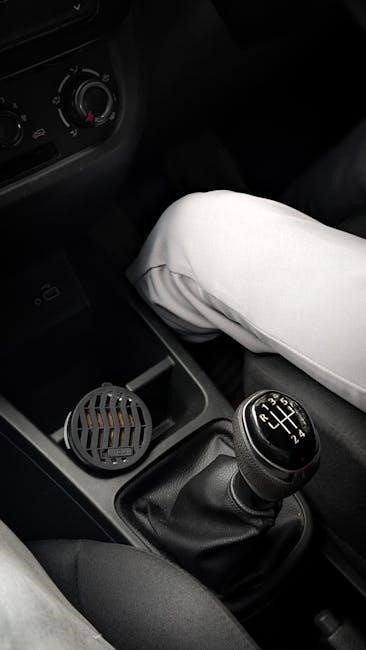
Achieving seamless gear changes in an AWD manual car requires finesse. Fully depress the clutch before each shift, and synchronize your movements with the engine’s RPM. Heel-toe downshifting, while advanced, can provide smoother transitions, especially during spirited driving.
Avoid “rushing” shifts; a deliberate pace minimizes jerkiness. Listen for engine braking – a sign of a well-timed downshift. Practice rev-matching to maintain momentum and reduce stress on the drivetrain. Remember, smooth shifting isn’t just about comfort; it enhances control and prolongs component life, especially within an AWD system.
The Future of Manual Transmissions
Manual transmissions face an uncertain future, yet enthusiast demand and events like National Stick Shift Day suggest a potential for a limited, but lasting, revival.
Will Manuals Make a Comeback?
The resurgence of manual transmissions is heavily reliant on enthusiast support and a growing appreciation for the driving experience they provide. While automatic transmissions dominate the market due to convenience, a dedicated community actively champions the engagement and control offered by a stick shift.
The availability of AWD manual combinations, though limited, fuels this passion. Manufacturers like Subaru and Honda cater to this niche, recognizing the value of offering choices. Whether manuals achieve widespread popularity again remains doubtful, but their continued existence, particularly in performance-oriented AWD vehicles, seems increasingly secure thanks to dedicated drivers.
The Role of Enthusiasts in Preserving Manuals
Driving enthusiasts are pivotal in maintaining demand for manual transmissions, especially when combined with all-wheel drive. Their passion fuels advocacy efforts like National Stick Shift Day, raising awareness and celebrating the unique driving experience. Forums and communities provide platforms for sharing knowledge, supporting manufacturers who offer manuals, and actively purchasing these vehicles.
This dedicated group isn’t simply nostalgic; they value the increased control, driver engagement, and connection to the machine that a manual transmission provides. Their continued support is crucial for keeping the option alive in a market increasingly dominated by automatics, particularly in desirable AWD models.

Cost Considerations: AWD and Manual Cars
AWD and manual cars often present a moderate price premium, though the base Nissan Versa offers a surprisingly affordable entry point into manual driving.
Purchase Price Comparison
Comparing purchase prices reveals a spectrum, with the Nissan Versa standing out as the most affordable new car with a manual transmission currently available. However, when focusing specifically on All-Wheel Drive (AWD) and manual combinations, the options become considerably more limited and generally pricier. Subaru models, like the Impreza and WRX, represent a significant portion of this market, typically starting in the mid-$20,000s.
Honda’s Integra and potential Civic Type S offerings also command a higher price point, reflecting their performance-oriented nature. Other potential options, such as the Volkswagen Golf R, if offered with a manual, would likely fall into the premium category, exceeding $40,000. Ultimately, the price hinges on the specific model, trim level, and available features.
Maintenance and Repair Costs
Maintenance for AWD manual cars can be moderately higher than front-wheel-drive automatics due to the complexity of the AWD system – requiring more frequent fluid checks and potential component replacements. Manual transmissions, while generally robust, necessitate clutch replacements periodically, a cost not incurred with automatics.
Subaru’s horizontally-opposed engines, common in AWD manuals, have specific maintenance needs. Parts for less common manual AWD models, like a potential Golf R, might be pricier and harder to source. Regular servicing, including oil changes and inspections, remains crucial for longevity, mitigating potential long-term repair expenses.

AWD and Manual: A Niche Market
AWD manual cars appeal to a dedicated group of driving enthusiasts who prioritize control, engagement, and a connected feel—a shrinking, but passionate, demographic.
Target Audience and Demographics
The demographic for AWD manual transmission cars is increasingly defined by driving enthusiasts and those seeking a more involved connection with their vehicle. Younger generations, surprisingly, are showing renewed interest, fueled by a desire to escape the ubiquity of automatic transmissions and embrace a skill often associated with a purer driving experience.
This group often values control, responsiveness, and the tactile feedback that a manual gearbox provides, especially when combined with the enhanced traction of an all-wheel-drive system. They are typically willing to accept minor inconveniences for the heightened driving pleasure, and often participate in automotive communities and events.
The Appeal to Driving Enthusiasts
AWD manual transmission cars hold a strong appeal for driving enthusiasts due to the unparalleled control and engagement they offer. The ability to select gears manually, combined with the confidence of all-wheel drive, creates a uniquely rewarding experience. This pairing allows drivers to fully exploit the vehicle’s performance potential, particularly in challenging conditions or on winding roads.
Enthusiasts appreciate the direct connection to the machinery and the skill required to master a manual gearbox. It’s a deliberate choice, rejecting automation for a more visceral and satisfying driving experience, fostering a deeper connection with the car itself.
The Evolution of AWD Technology
AWD systems evolved from basic mechanical setups to sophisticated electronic controls, enhancing performance and responsiveness in cars, especially those with manual transmissions.
From Early Systems to Modern Implementations
Early AWD systems, appearing in the 1990s, were often reactive, engaging all wheels when slip was detected – a significant leap from solely front or rear-wheel drive. These initial implementations, while effective, lacked the sophistication of today’s technology. Modern AWD utilizes advanced sensors and electronic control units to proactively distribute torque, anticipating traction loss before it occurs.
This predictive capability is crucial for maximizing grip in vehicles offering a manual transmission, where precise driver control is paramount. The integration of electronic stability control further refines AWD performance, enhancing both safety and driving dynamics. Now, systems can even vary torque distribution between individual wheels, optimizing handling in diverse conditions.
The Impact of Electronic Controls on AWD Performance
Electronic controls have revolutionized AWD systems, moving beyond purely mechanical linkages to intelligent, responsive torque distribution. These systems analyze numerous parameters – wheel speed, steering angle, throttle position, and yaw rate – to optimize grip in real-time. For cars with a manual transmission, this is particularly impactful, allowing drivers to exploit the engine’s power more effectively.
Electronic controls enable features like torque vectoring, actively managing power delivery to individual wheels to reduce understeer or oversteer. This enhances cornering agility and stability, complementing the driver’s control offered by a manual gearbox. The result is a more engaging and confident driving experience, especially in challenging conditions.
Resources for Finding AWD Manual Cars
Online car search tools and dedicated automotive forums are invaluable for locating rare AWD manual combinations; enthusiast communities often share leads and insights.
Online Car Search Tools
Utilizing online car search platforms is a crucial first step in your quest for an AWD manual vehicle. Websites like Cars.com, AutoTrader, and CarGurus allow filtering by drivetrain (AWD) and transmission type (manual). However, be prepared for limited results, as this combination is increasingly rare. Expand your search radius significantly, and consider including older model years.
Set up email alerts for specific models – Subaru Impreza, WRX, and Honda Integra – to be notified when new listings appear. Regularly check these platforms, as inventory changes frequently. Don’t solely rely on these tools; supplement your search with dedicated enthusiast forums and classifieds for potentially undiscovered gems.
Automotive Forums and Communities
Dedicated automotive forums and online communities are invaluable resources for locating AWD manual cars. Subaru forums (like SubaruImprezaForum.com) and Honda forums (Honda-Tech.com) often feature classified sections where enthusiasts sell their vehicles. These listings may include rare finds not advertised on mainstream platforms.
Engage with forum members, expressing your specific requirements; someone might know of a car coming up for sale. Facebook groups dedicated to specific models or manual transmissions can also yield results. Remember to thoroughly vet any private sale and arrange a pre-purchase inspection by a trusted mechanic.
Despite declining availability, the combination of all-wheel drive and a manual transmission continues to captivate driving enthusiasts. This pairing delivers a uniquely connected and engaging experience, prioritizing driver control and tactile feedback. While manufacturers shift towards automatics, a dedicated community actively preserves the art of stick shift.
Cars like the Subaru Impreza and WRX, alongside the Honda Integra, represent the last bastions of this configuration. The future remains uncertain, but the passion of enthusiasts ensures this appealing combination won’t vanish entirely.