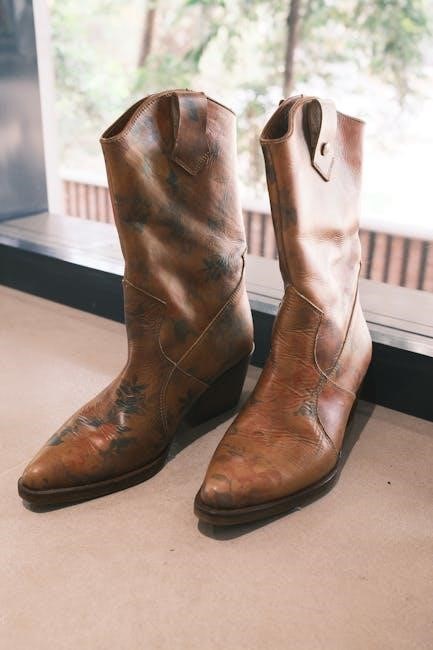
cowboy boot fit guide
Cowboy Boot Fit Guide: A Comprehensive Overview (Updated March 27, 2026)
Navigating cowboy boot sizing requires understanding unique fitting nuances, differing from standard shoes due to the lack of adjustability․ Handmade boots,
varying by manufacturer and leather, necessitate careful consideration for optimal comfort and lasting wear․
Understanding Cowboy Boot Sizing Differences
Unlike athletic or dress shoes with adjustable features like laces or elastic, cowboy boots offer a more fixed fit․ This fundamental difference is crucial to grasp when selecting a pair․ Cowboy boots are constructed on “lasts” – foot-shaped forms – and each manufacturer employs slightly different lasts, leading to variations even within the same stated size․
Furthermore, the natural materials used – particularly leather – introduce inherent inconsistencies․ Leather thickness and strength fluctuate, impacting the boot’s overall fit․ Environmental factors, like humidity, and even the bootmaker’s technique on a given day contribute to these subtle differences․ Toe style (pointed, square, or round) also significantly influences how a boot feels, demanding personalized attention to ensure a comfortable and secure fit․
The Brannock Device and US Sizing Standards
The US sizing system, commonly measured with a Brannock Device found in shoe stores, provides a linear scale for boot length․ A men’s size 1 corresponds to 7 2/3 inches, with each subsequent size increasing by 1/3 of an inch․ While seemingly straightforward, this system requires understanding that cowboy boot sizing doesn’t perfectly align with standard shoe measurements․
Nine widths define the US system, ranging from AAA (narrowest) to EEE (widest), with ‘D’ considered medium for men and ‘B’ for women․ These widths are separated by 3/16 of an inch, but the actual width measurement for a ‘D’ varies depending on the boot’s length․ Accurate measurement using a Brannock Device is the first step, but considering the nuances of boot construction remains vital․
Men’s Cowboy Boot Sizing Chart
Understanding the correlation between foot length and boot size is crucial for a comfortable fit․ While a standard US size 1 equates to 7 2/3 inches, variations exist between manufacturers․ A size 8 typically measures 8 1/3 inches, progressing incrementally with each half-size increase․ It’s important to remember that cowboy boots don’t offer the same adjustability as shoes with laces or elastic․
Below is a general guide, but always prioritize measuring your feet․ Size 9 (9 1/3”), 10 (10”), 11 (10 2/3”), 12 (11 1/3”), 13 (11 2/3”), and 14 (12”)․ These measurements are approximate; handmade boots can deviate slightly due to leather thickness and construction techniques․ Consult specific brand charts for the most accurate sizing information․
Women’s Cowboy Boot Sizing Chart
Women’s cowboy boot sizing differs from men’s, with a different starting point and incremental increases․ A standard women’s size 6 generally corresponds to 8 1/2 inches in length, while a size 7 measures 8 7/8 inches․ Each subsequent size typically increases by approximately 1/3 of an inch․ Remember, unlike adjustable shoes, cowboy boots offer limited give․
Here’s a general reference chart, but precise measurements are key․ Size 8 (9 1/8”), 9 (9 1/4”), 10 (9 7/8”), 11 (10 1/4”), and 12 (10 7/8”)․ Variations occur between manufacturers, particularly with handmade boots, due to leather and last differences․ Always consult the specific brand’s sizing guide for the most accurate fit․
Cowboy Boot Widths Explained
Cowboy boot widths are crucial for comfort, as they accommodate varying foot volumes․ The US sizing system employs letters to denote width, ranging from the narrowest AAA to the widest EEE․ A “D” width is considered standard for men, while “B” is typical for women․ Widths increase in increments of 3/16 of an inch, though the actual measurement varies with boot length․
Finding the correct width prevents pinching or excessive movement․ A boot that’s too narrow will cause discomfort, while one that’s too wide can lead to heel slippage․ Accurate foot measurement is essential to determine your ideal width, ensuring a secure and comfortable fit for all-day wear․
Standard Widths: A, B, C, D, E, EE, EEE
Cowboy boot widths are categorized using a lettered system, offering a range of fits to accommodate diverse foot shapes․ Widths begin with AAA (extra narrow) and progress to EEE (extra wide)․ Commonly, ‘A’ and ‘B’ represent narrower fits, suitable for those with slim feet․ ‘C’ and ‘D’ are considered medium widths, with ‘D’ being the standard for most men․
Wider widths, ‘E’, ‘EE’, and ‘EEE’, cater to individuals with broader feet․ Each width increment represents approximately 3/16 of an inch․ Understanding this scale is vital for selecting a boot that provides a snug, yet comfortable, fit, avoiding both constriction and instability during wear․
Determining Your Width: Measuring Your Feet
Accurately assessing your foot width is crucial for a comfortable cowboy boot fit․ While a Brannock device measures length, determining width requires a different approach․ Measure the widest part of your foot, typically across the ball․ Compare this measurement to width charts provided by boot manufacturers, as variations exist․
Consider that width measurements can subtly change with foot length․ A wider foot may require a larger size to accommodate the increased width․ If you’re between sizes, opting for the wider width is generally recommended․ Don’t hesitate to consult with a professional boot fitter for personalized guidance and precise measurements․

Factors Affecting Cowboy Boot Fit
Several elements beyond basic sizing significantly impact how cowboy boots feel․ Leather variations play a key role; natural hides differ in thickness and strength, influencing the boot’s overall fit and break-in period․ Handmade boots, crafted on individual “lasts,” exhibit subtle differences even within the same manufacturer and size․
Toe style also matters․ Pointed toes generally feel tighter, while square or round toes offer more room․ Humidity can affect leather, causing it to expand or contract․ These factors mean a perfect fit isn’t always immediate, requiring patience during the break-in process and potential adjustments․

Leather Variations and Handmade Boots

The inherent nature of leather introduces variability in cowboy boot fit․ Each hide possesses unique characteristics – thickness, strength, and even subtle imperfections – impacting how the boot conforms to your foot․ This means even boots of the same size from the same maker won’t feel identical․

Handmade construction amplifies this effect․ Boots are built on “lasts,” foot-shaped forms, and each last varies slightly between manufacturers․ Skilled bootmakers also introduce individual nuances during the crafting process, influenced by factors like humidity and their own technique, contributing to a truly unique fit with each pair․

Toe Style Impact on Fit (Pointed, Square, Round)
The shape of a cowboy boot’s toe significantly influences perceived and actual fit․ Pointed toes, while stylish, generally offer less room for toe movement and can feel constricting for those with wider feet․ Conversely, round toes provide ample space, accommodating various foot shapes comfortably․
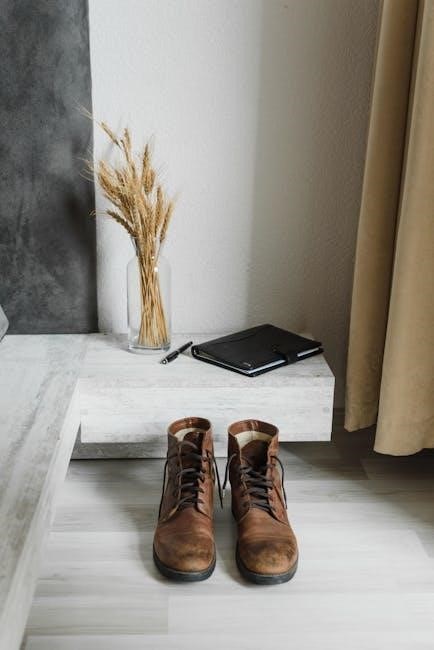
Square toes strike a balance, offering more room than pointed styles but maintaining a defined look․ Consider your foot’s width and the intended use of the boots; a wider toe is preferable for all-day wear, while a more streamlined toe might suit specific occasions․ Leather thickness and the bootmaker’s last also play a role in how each style fits․
Measuring Your Feet for Cowboy Boots
Accurate foot measurement is crucial for a proper cowboy boot fit, as these boots lack the adjustability of typical footwear․ The best time to measure is later in the day, when feet are naturally more swollen․ Utilizing a Brannock Device – commonly found in shoe stores – provides the most precise length measurement in US sizing․
Ensure your heel is firmly against the back of the device and your foot is flat․ Note the length in inches and correlate it to the US size chart․ Remember, men’s sizes increase by 1/3 inch per size, starting with size 1 at 7 2/3 inches․ Precise measurements are the foundation for finding your ideal cowboy boot fit․
Best Time of Day to Measure
Timing is key when measuring your feet for cowboy boots․ Throughout the day, your feet naturally expand due to activity and fluid retention․ Therefore, the optimal time to measure is in the late afternoon or evening․ This ensures the most accurate representation of your foot’s size when it’s at its largest․
Avoid measuring first thing in the morning, as feet tend to be smaller after a night of rest․ Measuring later in the day accounts for natural swelling, preventing you from selecting boots that feel too snug․ Accurate timing contributes significantly to a comfortable and well-fitting pair of cowboy boots․

Measuring Length with a Brannock Device
Utilizing a Brannock Device provides the most precise foot measurement for cowboy boot sizing․ Place your heel firmly against the heel cup of the device, ensuring your foot is flat․ Adjust the sliding width indicator to the widest part of your foot․ Then, read the length measurement where your longest toe aligns with the scale․
Remember the US sizing system is linear: a size increase equates to a 1/3 inch length increase․ Compare both feet and use the larger measurement for boot selection․ Accurate length measurement is crucial, as cowboy boots don’t offer the adjustability of traditional shoes․
Common Cowboy Boot Fit Issues
Several fit problems frequently arise with cowboy boots, impacting comfort and wearability․ Heel slippage is common, often due to insufficient snugness in the heel area; solutions include thicker socks or heel grips․ Tightness across the instep can cause discomfort, particularly during extended wear, and may require stretching or a wider width․
Poor fit can lead to blisters and foot fatigue․ Variations in boot construction and leather can exacerbate these issues․ Addressing these problems promptly prevents long-term discomfort and ensures a positive boot-wearing experience․ Proper initial sizing is paramount to avoid these common pitfalls․
Heel Slippage and Solutions
Heel slippage, a frequent issue with cowboy boots, occurs when the heel lifts excessively during walking․ This discomfort stems from a lack of snugness around the heel, often due to boot shape or foot anatomy․ Several solutions can address this problem effectively․
Thicker socks provide added cushioning and fill space, reducing slippage․ Heel grips, adhesive inserts placed inside the heel counter, offer a more secure fit․ Boot stretchers, specifically targeting the heel area, can widen the boot for a better hold․ Ensuring proper lacing, if applicable, also contributes to stability․ If slippage persists, consider a different boot style or width․
Too Tight Across the Instep
A common discomfort arises when cowboy boots feel overly snug across the instep – the arched area of your foot․ This tightness can cause pressure, pain, and restricted circulation, impacting overall comfort․ Several approaches can alleviate this issue, restoring a more enjoyable wearing experience․
Boot stretchers are highly effective, expanding the instep area to create more room․ Professional boot stretching by a cobbler ensures a precise and safe adjustment․ Leather conditioning softens the leather, increasing flexibility and reducing pressure․ Consider a wider width if the problem persists, or explore boots with a higher instep design․ Thin socks can also temporarily reduce instep pressure․
Breaking In Your Cowboy Boots
New cowboy boots often require a break-in period to achieve optimal comfort․ The stiffness of the leather and construction necessitate a gradual molding to your foot’s unique shape․ Patience and proactive measures are key to a smooth process, avoiding blisters and discomfort․
Utilizing boot stretchers can gently expand the leather, creating more room and reducing pressure points․ Regular wear, even for short periods, encourages the leather to conform․ Conditioning the leather keeps it supple and pliable, accelerating the break-in process․ Thick socks can help fill out the boot, aiding in stretching․ Avoid prolonged wear initially, gradually increasing duration as comfort improves․
Using Boot Stretchers

Boot stretchers are invaluable tools for gently expanding cowboy boots, addressing tightness and improving comfort․ These devices, typically made of wood or plastic, insert into the boot and apply pressure to stretch the leather․ Focus stretching on specific areas – instep, width, or toe – depending on where the boot feels constricting․
Apply stretching gradually, leaving the stretcher in place for 24-48 hours at a time․ Avoid overstretching, as this can damage the leather․ Leather stretching sprays can be used in conjunction with stretchers to enhance pliability․ Professional boot stretching services are available for complex fits or delicate leathers, ensuring a safe and effective process․
Conditioning the Leather
Regularly conditioning cowboy boot leather is crucial for maintaining its suppleness and preventing cracking․ Leather, a natural material, needs moisture to stay pliable, especially during break-in․ Choose a conditioner specifically designed for boot leather, avoiding products with harsh chemicals that can dry it out․
Apply conditioner sparingly with a soft cloth, working it into the leather in circular motions; Allow the conditioner to absorb for several hours, or overnight, before buffing with a clean cloth․ Conditioning not only improves comfort but also extends the life of your boots, protecting them from the elements and wear․ Consistent conditioning keeps the leather strong and resilient․
Boot Fit for Specific Activities
The ideal cowboy boot fit varies depending on intended use․ Boots designed for riding demand a snug heel to prevent slippage while horseback, ensuring control and safety․ A closer fit overall is preferred for riding boots, minimizing movement within the boot․
For everyday wear, a slightly more relaxed fit is acceptable, prioritizing all-day comfort․ Consider the sock thickness you’ll typically wear; thicker socks require more room․ Boots worn for work may benefit from reinforced toes and durable soles․ Prioritize functionality – riding boots should enhance riding performance, while everyday boots should offer comfortable support․
Riding Boots vs․ Everyday Wear
Riding boots necessitate a secure heel fit, preventing slippage during horseback riding – a crucial safety element․ A snug fit throughout the boot is vital for maintaining control and responsiveness with the horse․ Consider a slightly narrower toe to comfortably fit into stirrups․
Everyday wear boots prioritize all-day comfort, allowing for a bit more room and flexibility․ A wider toe box can accommodate foot swelling during prolonged standing or walking․ Focus on cushioning and support for extended wear․ The choice hinges on activity; riding demands precision, while daily life values comfort․
Finding the Right Manufacturer for Your Foot Shape
Not all cowboy boots are created equal; manufacturers employ different “lasts” – the foot-shaped forms around which boots are constructed․ Some brands cater to wider feet, offering generous widths like EE or EEE, such as those known for accommodating broader foot profiles․ Conversely, others specialize in narrower fits, utilizing lasts suited for A or B widths․
Researching brand reputations is key․ Consider customer reviews detailing fit experiences․ If you have uniquely shaped feet, exploring brands with customizable options or last-matching services can be invaluable․ Finding a manufacturer aligned with your foot’s anatomy ensures optimal comfort and prevents prolonged discomfort․
Brands Known for Wider Fits
Several manufacturers consistently receive praise for accommodating wider feet․ Ariat is frequently mentioned for its generous width options, often extending to 4E in certain styles, providing ample room for broader foot shapes․ Lucchese also offers a selection of boots in wider widths, prioritizing comfort for those needing extra space․
Anderson Bean is another reputable choice, known for its commitment to quality and availability in wider sizes․ Stetson frequently includes wider width options within their diverse range․ When selecting a brand, always verify specific width availability for the desired boot style, as offerings can vary․
Brands Known for Narrower Fits
For individuals with narrower feet, certain brands consistently deliver a more precise fit․ Tecovas is often recommended, known for its streamlined lasts and generally narrower profiles, catering to those who struggle with excessive gapping․ Twisted X also offers models that tend to run slimmer, providing a snugger feel․
Blackjack Boots is another option to explore, frequently favored by customers with more delicate foot shapes․ However, it’s crucial to remember that even within these brands, variations exist between styles․ Always check specific product details and consider reading reviews from customers with similar foot types before purchasing․
Sending a Fitting Boot for Last Matching
When standard sizing proves insufficient, sending a well-fitting boot for last matching offers a personalized solution․ This process involves shipping a boot that currently fits you comfortably to a manufacturer specializing in custom fits, like Timsboots․com․ They will meticulously analyze its shape and dimensions․
The manufacturer then identifies or creates a “last” – the foot-shaped form around which the boot is constructed – that replicates your boot’s internal geometry․ This ensures subsequent boots are built on a form perfectly suited to your foot, guaranteeing a superior fit․ The original boot is returned after the last is determined․