
cleveland wheels and brakes service manual
Parker Cleveland Wheels & Brakes systems demand precise maintenance, relying heavily on detailed service manuals like AWBCMM0001 for proper component upkeep and overhaul procedures.
Overview of Parker Cleveland Wheels & Brakes
Parker Cleveland Wheels & Brakes, a prominent division of Parker Aerospace, stands as a leading global provider of robust and reliable aircraft wheel and brake systems. Their extensive product line caters to a diverse range of aircraft, from general aviation to large commercial airliners, and even military applications.
The company’s commitment to innovation and quality has established them as a trusted partner for aircraft manufacturers and maintenance facilities worldwide. Cleveland systems are renowned for their durability, performance, and adherence to stringent safety standards. Understanding the intricacies of these systems necessitates access to comprehensive documentation, including the vital AWBCMM0001 manual, which details maintenance and overhaul procedures.
Importance of Using Official Service Manuals
Official service manuals, such as the AWBCMM0001, are absolutely critical for maintaining Cleveland Wheels & Brakes systems. These manuals provide detailed, step-by-step instructions, ensuring technicians perform maintenance and repairs correctly and safely. Deviation from these procedures can lead to component failure, reduced performance, and potentially compromise aircraft safety.
Using unofficial sources or relying on guesswork is unacceptable. Parker’s manuals contain precise torque specifications, inspection criteria, and component identification crucial for proper servicing. Consulting the Cleveland Technical Support Team alongside these manuals guarantees adherence to the latest revisions and best practices, maximizing system reliability and longevity.

Understanding Cleveland Wheels and Brake Systems
Cleveland systems encompass diverse wheel and brake assemblies, utilizing specialized components; proper maintenance requires understanding their functionality and adhering to manual guidelines.
Types of Aircraft Wheels Supported
Cleveland Wheels & Brakes provides solutions for a remarkably broad spectrum of aircraft, ranging from general aviation to regional and even larger commercial airliners. Their support extends to both tube-type and tubeless tire configurations, catering to diverse operational needs and aircraft designs.
Specifically, Cleveland manufactures wheels for single-engine piston aircraft, multi-engine piston aircraft, turboprops, and light jets. They offer both external and internal brake designs, influencing the wheel assembly’s overall structure. The AWBCMM0001 manual details specific maintenance procedures tailored to each wheel type, emphasizing the importance of identifying the correct model for accurate servicing. Understanding these distinctions is crucial for technicians ensuring safe and reliable aircraft operation.
Brake System Components and Functionality
Cleveland aircraft brake systems utilize a hydraulic disc brake design, featuring key components like brake discs, brake pads, calipers, and hydraulic lines. The system functions by applying hydraulic pressure to the calipers, clamping the brake pads against the rotating disc, thus creating friction and slowing the aircraft.
The AWBCMM0001 manual provides detailed schematics and operational explanations of these components. Proper maintenance, including disc inspection, pad replacement, and fluid level checks, is vital for optimal performance. Technicians must adhere to specified torque values, as outlined in PRM 83, to ensure safe and reliable brake operation. Regular inspection prevents issues like brake squeal and ensures consistent stopping power.
Wheel Assembly Components and Functionality
Cleveland aircraft wheel assemblies comprise several critical components, including the wheel halfs, bearings, wheel bolts, and tires. These assemblies are designed to withstand significant loads during taxiing, takeoff, and landing. The AWBCMM0001 manual details the proper inspection and maintenance procedures for each part.
Functionality relies on smooth bearing operation and correctly torqued wheel bolts, ensuring structural integrity. Tire pressure checks are essential for safe operation. Technicians should consult the wheel assembly nameplate for specific torque specifications, especially when hardware upgrades are involved, as referenced in PRM documentation. Regular maintenance prevents issues like wheel wobble and vibration.
Locating and Utilizing Service Manuals
AWBCMM0001 serves as the primary generic component maintenance manual for Cleveland external design wheels and brakes; direct technical support is also available.
AWBCMM0001: The Generic Component Maintenance Manual
AWBCMM0001 is the foundational document for maintaining Cleveland Wheels & Brakes systems, acting as a comprehensive resource for technicians. This generic Component Maintenance Manual details procedures applicable to a wide range of external design wheels and brakes.
Before utilizing this manual, it’s crucial to verify its applicability to the specific aircraft and component being serviced. The Cleveland Technical Support Team should be consulted to confirm manual availability and relevance.
This manual provides detailed instructions for inspection, repair, overhaul, and component replacement. It’s essential to adhere strictly to the procedures outlined within AWBCMM0001 to ensure safety and maintain the integrity of the braking and wheel systems. Proper interpretation and application of this manual are paramount for effective maintenance.
Accessing Cleveland Technical Support
Cleveland Wheels & Brakes (a Parker Aerospace division) provides dedicated technical support to assist with maintenance questions and manual clarification. Before commencing any work, consulting their team is highly recommended, particularly regarding manual availability and specific component applicability.
Direct access to their support team ensures technicians have the most up-to-date information and guidance. This is especially important when dealing with complex repairs or unfamiliar configurations.
Contacting Cleveland Technical Support can prevent errors and ensure adherence to approved maintenance procedures. They can also provide clarification on PRMs (Product Revision Memorandums) related to torque values and hardware upgrades, vital for safe and effective servicing.
Online Resources for Manuals and Documentation
While official Cleveland Wheels & Brakes manuals are primarily accessed through their technical support channels, several online resources can supplement maintenance efforts. Platforms like pdfFiller offer document management solutions, potentially hosting related forms and documentation.
However, caution is advised when sourcing manuals online; always verify authenticity and ensure the document corresponds to the specific aircraft and component being serviced. Relying on outdated or incorrect information can compromise safety.
Furthermore, searching for “AWBCMM0001” may yield results, but official Parker Aerospace channels remain the most reliable source for current, approved service documentation.

Wheel Maintenance Procedures
Wheel maintenance involves crucial steps like precise tire pressure checks, thorough bearing inspections with lubrication, and adhering to specified bolt torque values.
Tire Pressure Checks and Adjustments
Maintaining correct tire pressure is paramount for safe aircraft operation and optimal wheel performance. Cleveland Wheels & Brakes service manuals emphasize regular checks using a calibrated gauge, comparing readings to the aircraft’s Tire Pressure Chart.
Underinflation can lead to increased wear, overheating, and potential tire failure, while overinflation reduces braking effectiveness and ride comfort. Adjustments should be made with dry nitrogen, ensuring the valve stem is secure.
The manuals detail specific pressure ranges for various tire types and aircraft models. Always consult the appropriate documentation before making any adjustments, and document all pressure changes in the aircraft’s maintenance logbook.
Bearing Inspection and Lubrication
Cleveland Wheels & Brakes service manuals highlight the critical importance of regular bearing inspection and lubrication for smooth operation and longevity. Inspections involve checking for wear, corrosion, and proper seating of the bearings within the wheel assembly.
Lubrication procedures, detailed in AWBCMM0001, specify the correct type of grease and application method. Using the wrong lubricant can cause premature failure. Bearings should be packed thoroughly, ensuring complete coverage, but avoiding over-packing which can generate excessive heat.
Properly maintained bearings reduce friction, minimize wear, and contribute to overall wheel reliability. Document all inspection and lubrication activities in the aircraft’s maintenance records.
Wheel Bolt Torque Specifications
Cleveland Wheels & Brakes service manuals, particularly AWBCMM0001, emphasize strict adherence to specified wheel bolt torque values. These values are crucial for maintaining wheel integrity and preventing catastrophic failure during operation. Torque specifications vary depending on the wheel assembly and hardware configuration.
Referencing Parker Reference Manuals (PRMs), like PRM 83, is essential, as values can differ. Dry torque brake disc bolts to 150 in-lbs, but always confirm with the applicable PRM. Using a calibrated torque wrench is mandatory.
Always consult the wheel assembly nameplate for the most accurate torque values. Improperly torqued bolts can lead to wheel detachment or structural damage.
Brake Maintenance Procedures
Cleveland brake maintenance, detailed in service manuals, involves meticulous inspection and replacement of brake discs and pads, alongside fluid level checks for optimal performance.
Brake Disc Inspection and Replacement
Brake disc inspection, guided by Cleveland Wheels & Brakes service manuals, requires careful examination for wear, heat damage, and cracks. Measurements must adhere to specified limits outlined in the documentation.
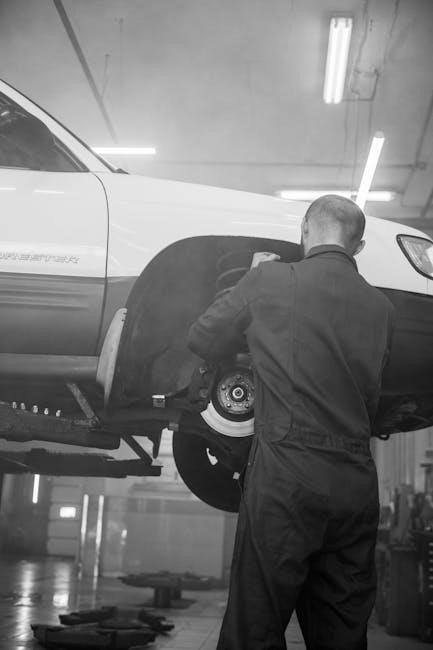
Replacement procedures necessitate proper torque application to disc bolts – typically 150 in-lbs, though values depend on hardware configuration as detailed in PRM 83.
Current PRMs are being developed for hardware upgrades, but interim procedures require referencing the wheel assembly nameplate for accurate torque specifications. Ensure correct hardware is utilized during replacement, consulting parts manuals for compatibility. Thorough post-replacement testing is crucial to verify functionality and safety.
Brake Pad Inspection and Replacement
Cleveland Wheels & Brakes service manuals emphasize meticulous brake pad inspection for wear, contamination, and damage. Friction material thickness must be within established limits, detailed in the documentation, to ensure optimal stopping power.
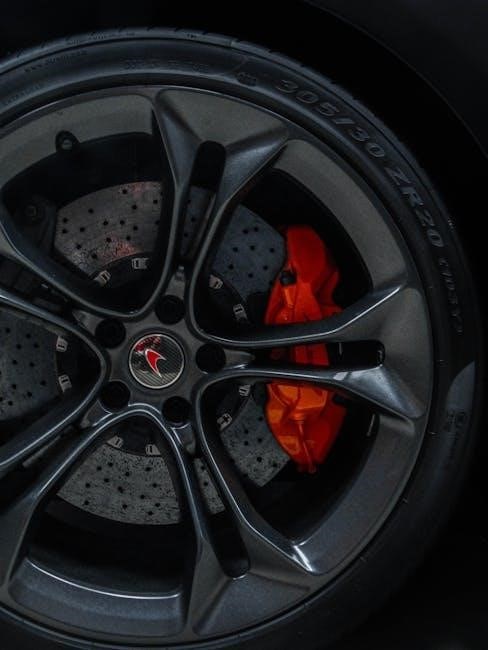
Replacement requires adherence to specific procedures, including cleaning and lubricating mating surfaces. Correct pad installation is vital for even wear and preventing premature failure.
Referencing the component maintenance manual (AWBCMM0001) is crucial for identifying the correct pad type and hardware. Post-replacement, a thorough bedding-in procedure, as outlined in the manual, is essential for maximizing performance and minimizing noise.
Brake Fluid Level Checks and Replacements
Cleveland Wheels & Brakes service manuals detail precise procedures for checking brake fluid levels, emphasizing the importance of using the correct fluid type specified for the system. Low fluid levels indicate potential leaks requiring immediate investigation.
Fluid replacement intervals are outlined in the documentation, typically based on operational hours or calendar time; Proper bleeding techniques, as described in AWBCMM0001, are critical to remove air from the hydraulic lines.
Contamination is a key concern; the manual stresses the need for clean tools and fluid handling procedures. Always consult the manual for torque specifications when reinstalling components.

Troubleshooting Common Issues
Cleveland Wheels & Brakes service manuals provide diagnostic guidance for issues like wheel wobble, brake squeal, and hydraulic leaks, ensuring safe operation.
Wheel Wobble and Vibration Diagnosis
Cleveland Wheel & Brake service manuals emphasize a systematic approach to diagnosing wheel wobble and vibration. Initial inspection focuses on tire pressure, ensuring it aligns with specifications, and checking for uneven wear patterns indicating potential tire damage or imbalance.
Next, technicians must meticulously inspect the wheel bearings for looseness, damage, or inadequate lubrication. Runout checks of the wheel and brake disc are crucial, utilizing precision measuring tools to identify any deviations from acceptable tolerances.
The manuals detail procedures for inspecting wheel bolts for proper torque and signs of loosening or corrosion. Furthermore, examination of the wheel assembly for structural damage, such as cracks or bends, is essential. Correcting any identified issues, following the manual’s guidance, restores smooth and safe operation.
Brake Squeal and Noise Troubleshooting
Cleveland Wheel & Brake service manuals provide detailed guidance for resolving brake squeal and unusual noises. Initial steps involve inspecting the brake pads for wear, glazing, or contamination, referencing specified limits for replacement. Technicians should verify proper brake disc condition, checking for scoring, heat damage, or uneven wear patterns.
The manuals emphasize the importance of lubricating all relevant brake components with approved lubricants, ensuring proper movement and reducing friction.
Inspection of the hydraulic system for leaks or air in the lines is critical, as these can contribute to noise. Furthermore, the manuals detail procedures for checking brake caliper functionality and ensuring proper piston movement. Addressing these issues, guided by the manual, restores quiet and efficient braking performance.
Hydraulic System Leak Detection
Cleveland Wheels & Brakes service manuals prioritize hydraulic system integrity, offering comprehensive leak detection procedures. Technicians must meticulously inspect all hydraulic lines, fittings, and connections for signs of fluid leakage, utilizing approved cleaning methods for accurate assessment.
The manuals detail pressure testing protocols to identify internal leaks within brake components, specifying acceptable pressure drop limits. Careful examination of brake cylinders and calipers is crucial, looking for seepage around seals and piston housings.
Proper fluid level monitoring, as outlined in the manual, helps pinpoint potential leak sources. Addressing leaks promptly, following manual-specified repair procedures, ensures optimal braking performance and prevents further system damage.
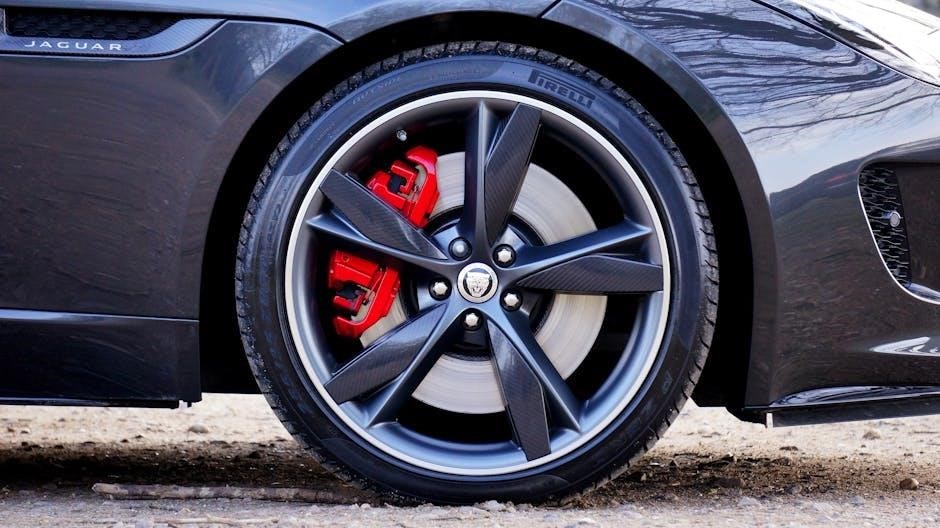
Safety Precautions and Best Practices
Cleveland Wheels & Brakes service manuals emphasize safe handling of hazardous materials and proper tool usage during all maintenance operations.
Handling Hazardous Materials
Cleveland Wheels and Brakes maintenance often involves exposure to potentially hazardous materials, including brake fluids, lubricants, and cleaning solvents. Service manuals consistently stress the importance of adhering to strict safety protocols when handling these substances.
Technicians must always wear appropriate personal protective equipment (PPE), such as gloves, eye protection, and respirators, as specified in the manuals. Proper ventilation is crucial to minimize inhalation of fumes.
Waste disposal procedures must be followed meticulously, complying with all applicable environmental regulations. Spills should be contained immediately using absorbent materials, and contaminated items disposed of correctly. Refer to the manuals’ Material Safety Data Sheets (MSDS) for detailed information on each substance.
Proper Tool Usage
Cleveland Wheels and Brakes service manuals emphasize the critical role of using the correct tools for each maintenance task. Employing improper tools can lead to component damage, inaccurate measurements, and potential safety hazards.
Torque wrenches are essential for tightening wheel bolts and brake disc fasteners to specified values, preventing over- or under-tightening. Specialized pullers and presses are often required for bearing removal and installation;
The manuals detail the specific tools needed for each procedure, including part numbers and calibration requirements. Technicians must ensure tools are in good working condition and used according to manufacturer’s instructions. Regular tool inspections are vital for maintaining accuracy and safety.