animal droppings identification pictures australia pdf
Animal Droppings Identification: A Guide for Australia
Discover comprehensive resources for identifying Australian animal droppings! This guide compiles photographic references, downloadable PDF field guides, and online tools.
Explore detailed images and descriptions to accurately pinpoint species based on scat characteristics. Access printable PDFs for offline use during bushwalks and wildlife surveys.
Utilize online databases featuring scat photos and identification keys, aiding both amateur enthusiasts and professional researchers in Australia’s diverse ecosystems.
Australian animal scat, or droppings, provides valuable insights into wildlife presence and health. Identifying these remnants requires understanding diverse forms, colors, and contents.
This guide introduces the fascinating world of Australian scat identification, utilizing photographic resources and downloadable PDF guides. Learn to differentiate droppings from various species, contributing to ecological monitoring and conservation efforts across the continent’s unique landscapes.
Detailed images and keys are essential for accurate assessment.
Why Identify Animal Droppings?
Identifying animal droppings is crucial for ecological monitoring and wildlife management in Australia. Scat analysis reveals species distribution, diet, and health status.
PDF guides and photographic resources empower citizen scientists and professionals to track animal movements and detect invasive species. Understanding scat aids conservation efforts by providing non-invasive data collection, supporting biodiversity assessments and habitat protection initiatives.
It’s a valuable, accessible research tool.
Common Australian Animals and Their Scat
Australia’s diverse fauna produces varied scat. Kangaroos create pellet-like droppings, while wombats deposit cube-shaped scat. PDF identification guides showcase these differences, alongside images of dingo, possum, and echidna droppings.
Photographic resources highlight scat characteristics – size, shape, color, and contents – aiding accurate species identification. Understanding these variations is key for ecological monitoring and wildlife tracking across Australia’s landscapes.
Kangaroos and Wallabies
Kangaroos and wallabies produce distinctive, pellet-like droppings. PDF guides feature images illustrating variations in size and color, dependent on diet. Fresh scat is typically dark brown to black, drying to a lighter hue.
Photographic identification keys help differentiate between species based on pellet size and clustering. Downloadable resources aid field identification, crucial for monitoring populations and assessing habitat use across Australia.
Detailed Scat Characteristics
Australian animal scat varies greatly! PDF guides provide detailed pictures showcasing size, shape, color, and texture. These visual aids are essential for accurate identification. Online resources offer comparative images, highlighting differences between species.
Downloadable charts illustrate how diet impacts scat consistency – from fibrous to smooth. Photographic keys assist in recognizing undigested material, aiding species determination in the field.
Size and Shape of Droppings
PDF identification guides emphasize scat dimensions! Pictures illustrate size variations – from tiny rodent pellets to large kangaroo boluses. Shape is crucial: cylindrical, pellet-like, or amorphous. Downloadable charts compare typical sizes for common Australian animals;
Online resources showcase images demonstrating how shape relates to diet and digestive systems. Visual keys help distinguish between similar-sized droppings.
Color Variations in Australian Animal Scat
PDF guides detail color changes! Pictures show fresh scat’s vibrancy versus aged, faded hues. Color indicates diet: green from vegetation, dark from blood, or pale from bone content. Downloadable charts link color to potential species.
Online resources display images illustrating color variations due to environmental factors and digestion. Visual keys aid in accurate identification.
Texture and Consistency – What Does it Tell You?
PDFs illustrate texture variations! Pictures reveal smooth, firm droppings versus crumbly, loose forms. Consistency indicates diet and hydration; fibrous scat suggests herbivory, while watery droppings may signal illness.
Downloadable guides detail how texture aids species identification. Online resources offer comparative images, enhancing accuracy.
Scat Identification by Region
PDF guides categorize droppings by Australian ecosystems! Pictures showcase regional variations – coastal, arid, and rainforest scat differ. Downloadable resources highlight species prevalent in each area.
Online databases filter by location, aiding accurate identification. Images demonstrate how habitat influences scat characteristics, improving field recognition across Australia.
Droppings in Coastal Areas
PDFs detail coastal animal scat! Pictures illustrate seabird guano, seal and dolphin waste, and shorebird droppings. Downloadable guides focus on identifying scat near beaches and estuaries.
Images showcase the impact of marine diets on scat composition. Online resources provide comparative photos, aiding identification of coastal species’ droppings in Australia.
Droppings in Outback and Arid Regions
PDF guides showcase arid-zone animal scat! Pictures illustrate kangaroo, dingo, and reptile droppings. Downloadable resources focus on identifying scat in desert environments.
Images reveal the impact of sparse vegetation on scat characteristics. Online databases offer comparative photos, aiding identification of outback species’ droppings across Australia’s harsh landscapes.
Droppings in Rainforest Environments
PDF field guides detail rainforest animal scat identification! Pictures highlight cassowary, possum, and tree kangaroo droppings. Downloadable resources focus on identifying scat amidst lush vegetation.
Images demonstrate how diet impacts scat appearance in wet tropics. Online databases provide comparative photos, assisting identification of rainforest species’ droppings throughout Australia’s diverse ecosystems.
Using Identification Guides and Resources
Maximize accuracy with combined resources! Downloadable PDF guides offer detailed scat pictures and descriptions. Utilize online databases for comparative analysis of Australian animal droppings.
Photographic identification keys simplify species determination. Cross-reference multiple sources for confirmation. Enhance field skills with practical guides, improving your ability to identify scat effectively.
Online Resources for Australian Scat Identification
Explore dedicated websites featuring extensive scat image galleries of Australian fauna. Access interactive keys for streamlined species identification. Utilize forums to connect with experts and share observations.
Downloadable PDF checklists aid field identification. Government and university websites provide reliable data. Enhance learning with online tutorials and educational materials focused on Australian animal droppings.
PDF Guides and Field Guides
Downloadable PDF guides offer portable, detailed scat identification charts for Australian species. Comprehensive field guides provide photographic comparisons and descriptive characteristics. Regional guides focus on specific ecosystems, enhancing accuracy.
Look for guides detailing size, shape, color, and contents. Printable resources are ideal for remote locations. Invest in laminated cards for durability during outdoor observations and wildlife tracking.
Photographic Identification Tips
Compare scat photos from reliable sources, noting size, shape, and color variations. Examine images showing undigested material – seeds, fur, or bone fragments – for clues. Utilize online databases with high-resolution pictures for detailed analysis.
Focus on consistent features across multiple samples. Consider regional differences in diet and habitat. Download PDF guides with photographic keys for quick reference in the field.
Recognizing Pellet-Like Droppings
Pellet-like droppings often indicate carnivorous or insectivorous diets. Examine pictures of quoll, dingo, or raptor scat for small, cylindrical shapes. PDF guides showcase variations in pellet size based on prey.
Note the presence of fur, feathers, or insect exoskeletons. Compare images to differentiate between species; owls produce distinct, compacted pellets. Online resources offer detailed photographic comparisons.
Identifying Droppings with Undigested Material
Undigested seeds, leaves, or bone fragments provide crucial clues; Australian PDF guides illustrate scat containing identifiable plant matter from herbivores like kangaroos. Compare pictures of scat from various species to discern dietary habits.
Online resources display images of droppings with fur or feathers, indicating carnivore diets. Detailed photos help determine prey species. Analyze material for accurate identification.
Potential Dangers and Precautions
Always practice hygiene when examining animal droppings. Some scat may harbor parasites or bacteria, posing health risks. Avoid direct contact; use gloves and disinfect surfaces afterward. PDF guides often include warnings about potentially hazardous droppings.
Be cautious near scat, as the animal may be nearby. Respect wildlife and maintain a safe distance. Never disturb nesting sites or dens.
Distinguishing Scat from Other Materials
Carefully assess the context when identifying potential scat. Look for consistent shape and texture, differing from twigs, berries, or fungi. PDF identification guides showcase comparative images. Observe surrounding signs – tracks, feeding evidence – to confirm origin.
Consider decomposition stage; fresh scat differs from aged, weathered material. Use photographic resources to compare with known samples.

Contributing to Citizen Science
Share your findings! Submit identified scat photos and location data to Australian wildlife databases. Utilize online platforms to contribute to species distribution mapping. PDF guides aid accurate identification for data collection.
Your observations help researchers monitor animal populations and ecosystem health. Participate in community projects and expand our understanding of Australian fauna!
Further Research and Resources
Explore government wildlife agency websites for detailed species information and conservation efforts. Access university research programs studying Australian animal ecology and scat analysis. Download PDF identification guides for in-depth study.
Utilize online databases and photographic resources to expand your knowledge. Connect with experts and contribute to ongoing research initiatives across Australia.
Government Wildlife Agencies
Explore state and territory environment departments for species lists and habitat information. Access national park service resources detailing local fauna and scat identification. Download official PDF guides on wildlife monitoring and reporting.
Utilize agency websites for conservation updates and research publications related to Australian animal droppings. Contact wildlife officers for expert advice and regional insights.
University Research Programs
Discover ongoing research projects focused on Australian wildlife scat analysis and species distribution. Access published research papers detailing identification techniques and ecological insights. Explore university websites for downloadable PDFs on scat morphology and DNA analysis.
Contact researchers directly for specialized knowledge and access to image databases. Participate in citizen science initiatives supporting university-led wildlife monitoring programs.
Explore visual guides and downloadable PDFs for identifying Australian animal scat! Utilize photographic resources to compare droppings and learn key characteristics for accurate species identification.
Australian animal droppings, or scat, offer valuable insights into wildlife presence and health. Identifying these remnants requires understanding variations in size, shape, color, and content.
Photographic guides and downloadable PDFs are essential tools for beginners, showcasing diverse scat types from kangaroos to quolls. Visual comparison aids in distinguishing between species, while detailed descriptions highlight key features.
Learning to recognize scat contributes to biodiversity monitoring and ecological research across Australia’s unique landscapes.
Scat identification reveals crucial information about animal distribution, diet, and health. PDF guides and photographic resources empower citizen scientists and researchers to monitor wildlife populations non-invasively.
Detecting species presence aids conservation efforts, while analyzing scat contents reveals dietary habits and potential environmental contaminants.
Understanding these clues supports informed land management and biodiversity protection across Australia’s varied ecosystems.
Kangaroos produce pellet-like droppings, while wombats create cube-shaped scat. Possums exhibit varied droppings depending on diet, often containing fruit seeds. Dingo scat is typically cylindrical with bone fragments.
Utilizing identification guides – including PDF resources with photographic examples – is vital.
Accurate identification requires considering size, shape, color, and contents, aiding species recognition across Australia.
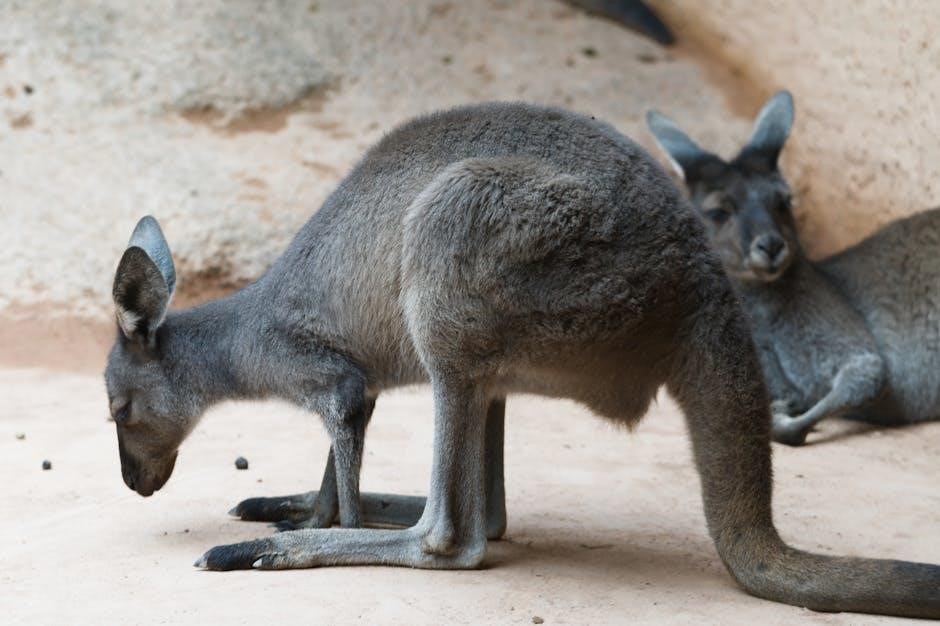
Kangaroos and wallabies produce firm, pellet-like droppings, often found in dry areas. Scat color varies with diet, ranging from dark brown to black. PDF guides showcase images aiding identification.
Size differs between species; larger kangaroos have bigger pellets. Wallaby droppings are generally smaller.
Photographic resources help distinguish between species based on pellet shape and size in Australia.
Analyzing scat reveals crucial details! PDF guides provide pictures illustrating size, shape, color, and consistency. Observe pellet form, presence of undigested material (like seeds or fur), and overall structure.
Color indicates diet – green suggests recent grazing. Texture reveals digestion; firm implies efficient processing.
Detailed images are key for accurate Australian animal scat identification.
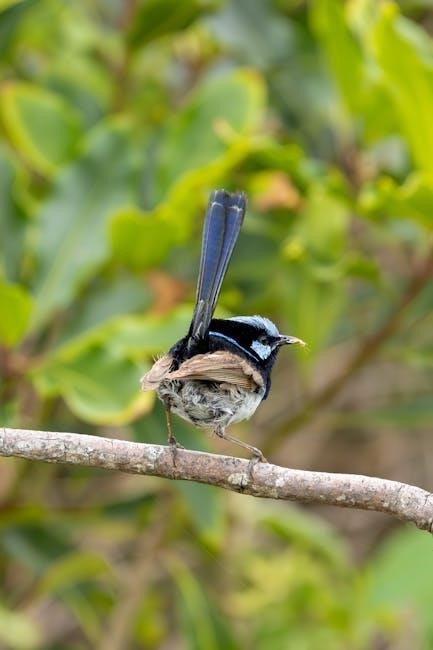
PDF identification guides showcase varied sizes and shapes! Pictures demonstrate how kangaroos produce pellet-like droppings, while wombats create cube-shaped scat.
Carnivore droppings often contain bone fragments and are generally cylindrical; Herbivore scat is bulkier, reflecting plant matter.
Comparing scat dimensions aids accurate species identification in Australia.
Australian scat color varies greatly! PDF guides illustrate how diet impacts hue – green from fresh vegetation, dark brown from fruits, and lighter shades with dry grasses.
Pictures reveal that carnivore droppings may show red from blood. Online resources detail how weathering affects color, fading droppings to grey or white.
Accurate color assessment is crucial for identification.
Scat texture reveals dietary habits! PDF identification guides show firm, pellet-like droppings indicate herbivores, while softer forms suggest omnivores or carnivores.
Pictures demonstrate how undigested material – bones, fur, seeds – impacts consistency. Online resources explain that dryness affects texture, making older scat crumbly.
Analyze texture for clues!
Regional variations in Australian animal scat are significant! PDF guides highlight coastal droppings often containing marine life remnants, while arid zone scat is drier and smaller.
Pictures illustrate rainforest scat’s higher moisture content due to fruit-based diets. Online resources detail species distribution, aiding identification based on location.
Consider the habitat when analyzing!
Coastal scat frequently displays marine components – shell fragments, seaweed, or fish scales – visible in identification pictures. PDF guides focus on seabird guano, differing significantly from mammal droppings.
Look for evidence of crustaceans in shorebird scat. Resources detail identifying scat from animals like seals and penguins. Online databases offer comparative images for accurate assessment.
Arid zone scat often appears drier and more pellet-like due to limited moisture in the diet. PDF identification guides highlight differences in scat from kangaroos, dingoes, and reptiles.
Pictures showcase scat containing seeds, spinifex grass, and insect remains. Online resources detail identifying droppings based on regional variations and animal behavior. Focus on size and consistency;
Rainforest scat is typically softer and contains more undigested plant matter due to the high moisture and diverse diet. PDF guides illustrate differences in droppings from possums, tree kangaroos, and cassowaries.
Photographic resources demonstrate scat containing fruit seeds, leaves, and insect fragments. Online databases aid identification based on color, shape, and location within the rainforest ecosystem.
Effective identification relies on combining field observation with reliable resources. Downloadable PDF guides provide detailed scat characteristics and comparative images. Online databases offer extensive photographic collections, aiding species matching.
Utilize identification keys focusing on size, shape, color, and contents. Cross-referencing multiple sources enhances accuracy, especially when encountering unfamiliar Australian animal droppings.
Explore dedicated websites featuring extensive photographic libraries of Australian animal droppings. Government wildlife agency pages often include identification guides and regional scat information. University research programs may offer specialized databases.
Search for downloadable PDF field guides from trusted sources, providing detailed images and descriptions for accurate species identification in diverse Australian habitats.
Downloadable PDF guides offer portable, offline access to Australian animal scat identification. These resources typically include detailed photographs, size charts, and descriptions of scat characteristics. Field guides, available in print or digital formats, provide comprehensive coverage of regional species.
Look for guides specifically focused on Australian fauna for accurate identification in varied ecosystems.
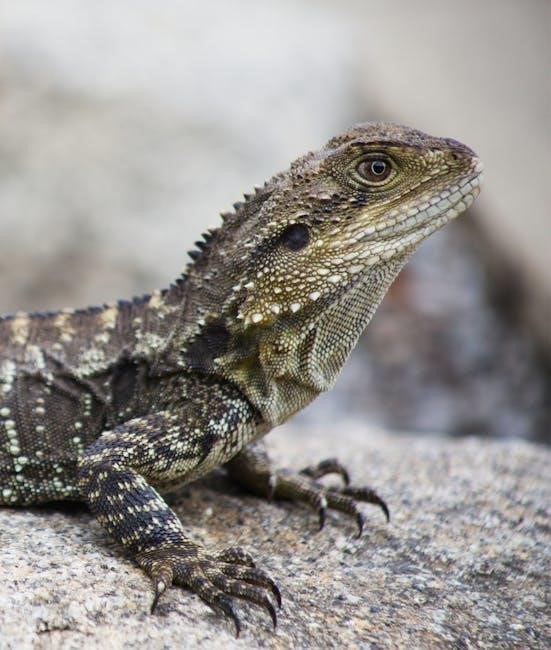
Utilize high-quality images when comparing scat samples to Australian animal droppings found in PDF guides. Pay close attention to color variations, shape, and texture. Note the presence of undigested materials like seeds or fur.
Compare multiple photos for accurate assessment, considering regional differences and dietary habits.
Pellet-like droppings are common among herbivores like kangaroos and wallabies, often appearing as numerous, small, dark brown or black cylindrical shapes. Refer to PDF guides and online pictures for size comparisons.
Observe consistency; drier pellets indicate older droppings. Distinguish from carnivore scat, which is typically more varied and may contain bone fragments.

Droppings containing undigested material – seeds, fur, or bone – offer crucial clues. Utilize Australian scat identification pictures in PDF field guides to compare findings.
Carnivore scat often reveals bone fragments or feathers, while herbivore droppings may contain recognizable plant matter. Detailed images aid accurate species determination.
Handling animal droppings poses health risks! Always wear gloves and practice thorough handwashing afterward. Refer to Australian scat identification pictures and PDF guides for safe observation.
Avoid contact with potentially contaminated areas. Some droppings may harbor parasites or pathogens. Prioritize personal safety when studying scat in the field, respecting wildlife habitats.
Accurate identification requires careful observation! Differentiate scat from similar-looking objects like soil, fungi, or plant debris. Utilize Australian animal droppings identification pictures and PDF guides for comparative analysis.
Consider context and location; scat often contains undigested food particles. Examine texture, shape, and color to rule out non-biological materials, ensuring correct species identification.
Become a vital part of Australian wildlife monitoring! Share your animal droppings identification pictures and observations with established citizen science projects; Utilize available PDF guides to enhance accuracy.
Report findings through online platforms, aiding researchers in tracking species distribution and health. Contribute valuable data to conservation efforts, supporting biodiversity understanding across Australia’s unique landscapes.
Expand your knowledge with dedicated resources! Explore government wildlife agencies’ websites for detailed species information and animal droppings identification pictures. Access university research programs focused on Australian fauna.
Download comprehensive PDF guides for in-depth study and field identification. Utilize online databases and academic publications to deepen your understanding of scat analysis techniques.
Access official data from Australian wildlife authorities! State and territory departments of environment offer species profiles, including habitat and animal droppings identification pictures.
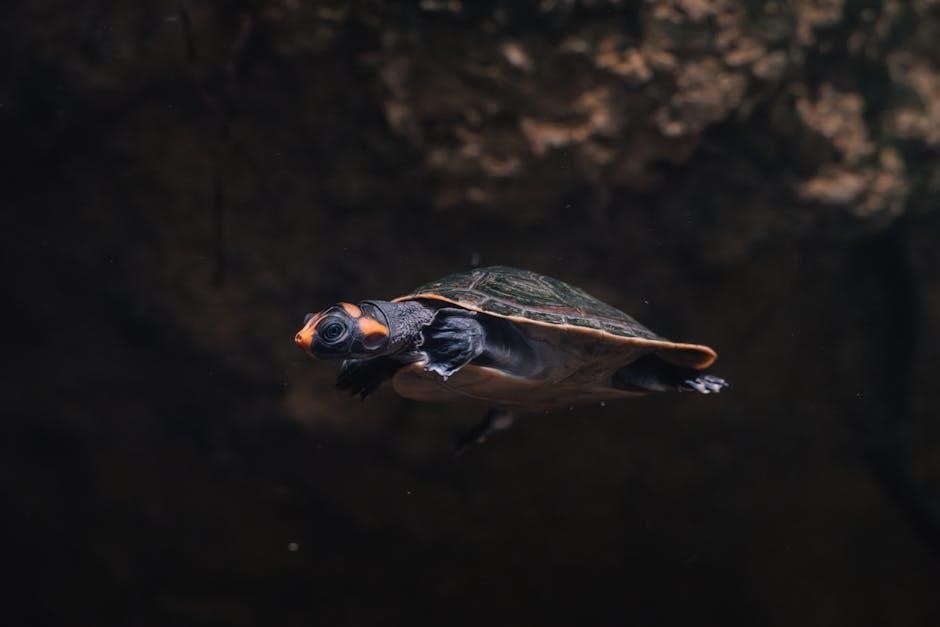
Download PDF fact sheets detailing scat characteristics for common species. Explore conservation initiatives and research projects related to native fauna. These agencies provide reliable resources for accurate identification.
Explore academic studies on Australian animal scat! University research often includes detailed animal droppings identification pictures and PDF reports on diet analysis;
Discover publications focusing on non-invasive monitoring techniques using scat samples. Many programs share findings online, offering valuable insights for researchers and enthusiasts alike. Access cutting-edge research and data.